
Might New OFAC General License 134 Open Door (A Crack) For Russian Oil Exports To Cuba Until 11 April 2026?
/On 29 January 2026, Donald Trump, President of the United States (2027-2021, 2025-2029), signed Executive Order 14380 which authorized and “imposes a new tariff system that allows the United States to impose additional tariffs on imports from any country that directly or indirectly provides oil to Cuba.”
To date, there are no announcements from the United States Department of State, United States Department of the Treasury, or United States Department of Commerce that a tariff was imposed on a country specifically for an oil transaction relating to the government of the Republic of Cuba.
On 12 March 2026, to mitigate global commodity price fluctuations since the 28 February 2026 attack upon the Islamic Republic of Iran by the Israel Defense Forces (IDF) and the armed forces of the United States, the Trump-Vance Administration (2025-2029) authorized the purchase of oil sourced from the Russian Federation which was loaded onto vessels prior to 12 March 2026. The Office of Foreign Assets Control (OFAC) of the United States Department of the Treasury reported the purchase authorization will remain in force until 11 April 2026.
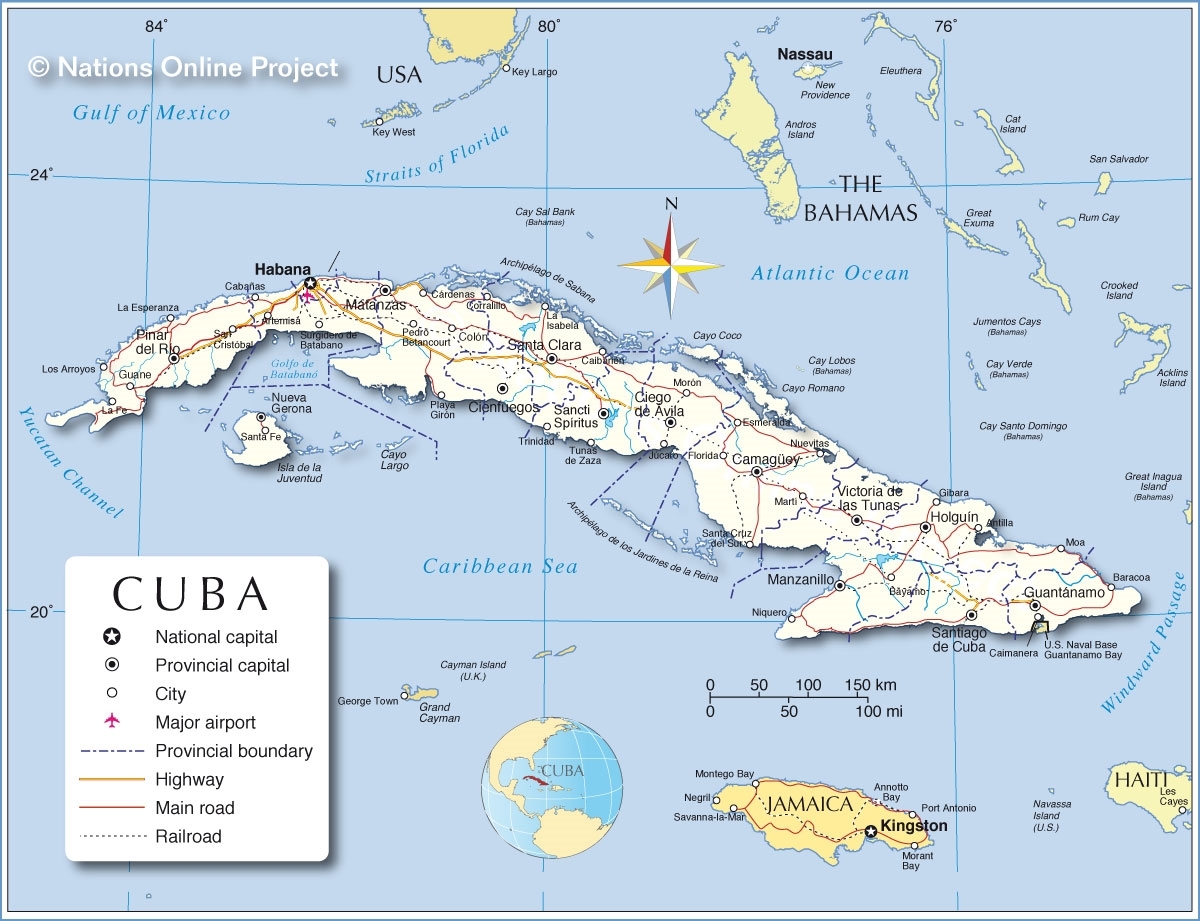
Question: Given no country is specifically sanctioned by provisions of Executive Order 14380 for engaging in oil-related transactions with the government of the Republic of Cuba and certain oil sourced from the Russian Federation may now until 11 April 2026 be purchased absent Trump-Vance Administration sanctions, could (and would) a government or company deliver oil to the government of the Republic of Cuba?
Might the government of the Russian Federation seek to use OFAC General License 134 for oil in vessels prior to 12 March 2026, using vessels registered within the Russian Federation, and vessels insured by Russian Federation-based companies to deliver oil to the Republic of Cuba- whether the end-user is the government of the Republic of Cuba, a Republic of Cuba government-operated company(s), or one of the re-emerging private companies located in the Republic of Cuba.
If the end-user is the re-emerging private sector in the Republic of Cuba, the government of the Russian Federation could provide substantial long-term payment terms, which might be an inducement to the Trump-Vance Administration to authorize the transaction.
United States Department of the Treasury
Washington DC
13 March 2026
Russian Harmful Foreign Activities Sanctions Regulations, 31 CFR part 587; Ukraine-/Russia-Related Sanctions Regulations, 31 CFR part 589; Iranian Transactions and Sanctions Regulations, 31 CFR part 560; Weapons of Mass Destruction Proliferators Sanctions Regulations, 31 CFR part 544; Iranian Financial Sanctions Regulations, 31 CFR part 561; Iranian Sector and Human Rights Abuses Sanctions Regulations, 31 CFR part 562; Global Terrorism Sanctions Regulations, 31 CFR part 594; Executive Order 13876 of June 24, 2019 (“Imposing Sanctions With Respect to Iran”);
Executive Order 13902 of January 10, 2020 (“Imposing Sanctions With Respect to Additional Sectors of Iran”); Executive Order 13949 of September 21, 2020 (“Blocking Property of Certain Persons with Respect to the Conventional Arms Activities of Iran”)
GENERAL LICENSE 134
Authorizing the Delivery and Sale of Crude Oil and Petroleum Products of Russian Federation Origin Loaded on Vessels as of March 12, 2026
(a) Except as provided in paragraph (b) of this general license, all transactions prohibited by the above-listed authorities that are ordinarily incident and necessary to the sale, delivery, or offloading of crude oil or petroleum products of Russian Federation origin loaded on any vessel, including vessels blocked under the above listed authorities, on or before 12:01 a.m. eastern daylight time, March 12, 2026 are authorized through 12:01 a.m. eastern daylight time, April 11, 2026. Note 1 to paragraph (a). Transactions that are ordinarily incident and necessary to the sale, delivery, or offloading of such crude oil or petroleum products include transactions for the safe docking and anchoring of vessels carrying such crude oil or petroleum products; the preservation of the health or safety of the crew of any such vessel; emergency repairs or environmental mitigation or protection activities relating to any such vessel; and services such as vessel management, crewing, bunkering, piloting, registration, flagging, insurance, classification, and salvage. Russian Federation-origin crude oil and petroleum products subject to this general license include those produced by entities sanctioned under the Russian Harmful Foreign Activities Sanctions Regulations, 31 CFR part 587, or the Ukraine-/Russia-Related Sanctions Regulations, 31 CFR part 589. (b) This general license does not authorize any other transactions or activities prohibited by any other Executive order or by any part of 31 CFR chapter V not referenced in this general license, including any transaction or activity involving Iran, the Government of Iran, or Iranian-origin goods or services that is prohibited by the Iranian Transactions and Sanctions Regulations (31 CFR part 560), except as authorized by paragraph (a).
Link: https://ofac.treasury.gov/media/935191/download?inline
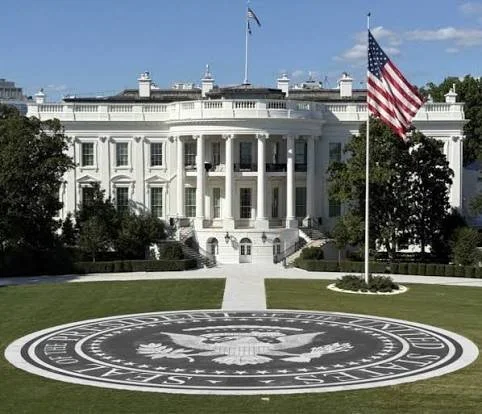
The White House
Washington DC
29 January 2026
CONFRONTING THE CUBAN REGIME: Today, President Donald J. Trump signed an Executive Order declaring a national emergency and establishing a process to impose tariffs on goods from countries that sell or otherwise provide oil to Cuba, protecting U.S. national security and foreign policy from the Cuban regime’s malign actions and policies. The Order imposes a new tariff system that allows the United States to impose additional tariffs on imports from any country that directly or indirectly provides oil to Cuba. The Order authorizes the Secretary of State and Secretary of Commerce to take all necessary actions, including issuing rules and guidance, to implement the tariff system and related measures. The President may modify the Order if Cuba or affected countries take significant steps to address the threat or align with U.S. national security and foreign policy objectives.