
U.S. Embassy In Cuba May Reduce Operations Due To Energy Issues. U.S. Company Previously Offered EVs And EV Charging Stations. ASAP: U.S. Companies Need BIS, OFAC, OLA, FAS, FCSC, DOJ In Havana
/United States Company Offered Biden-Harris Administration Free EV Chargers For United States Embassy And Ambassador’s Residence In Havana And Availability Of Electric Vehicles
United States Department Of State Refused- Preferred To Rent China-Built Vehicles From Cuba Government-Operated Company
BIS, FAS, DOJ, OLA, And OFAC Representatives Need To Be Pre-Positioned In Havana
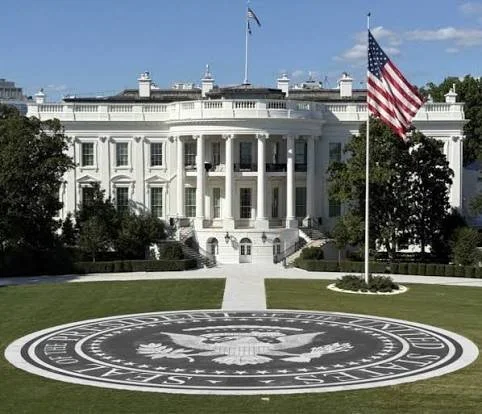
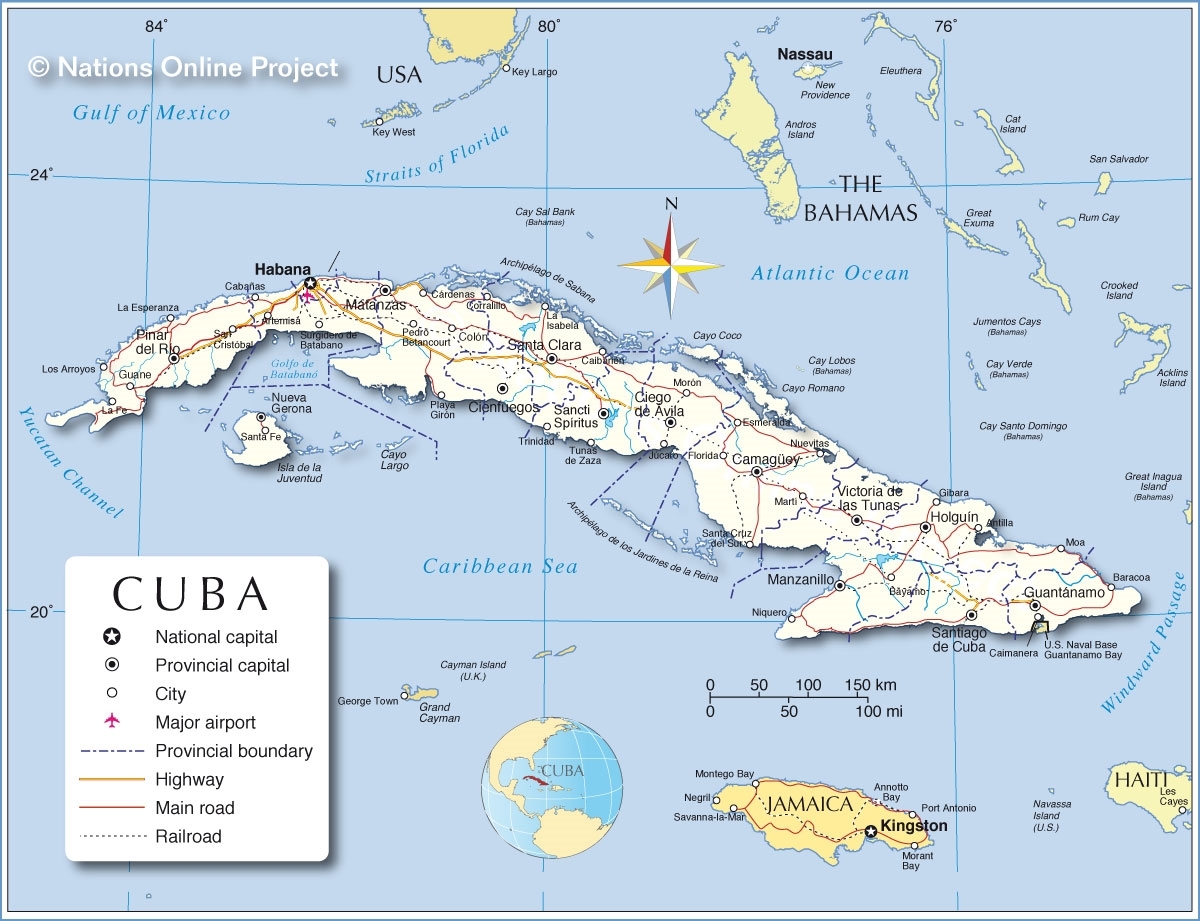
The United States Department of State confirms energy availability is impacting operations of the United States Embassy, United States Consulate, and Ambassador’s Residence in Havana, Republic of Cuba.
Associated Press
New York, New York
13 March 2026
“The U.S. State Department has weighed potentially drawing down staffing at the U.S. Embassy in Havana as the fuel shortages caused by the American blockade could affect day-to-day diplomatic operations, according to three U.S. officials. The officials stressed that there is still time to solve the problem and that the embassy and the State Department were looking at potential solutions, including possibly importing fuel from private sources if the Cubans allow it. A reduction in staffing at the embassy in Havana would likely lead to a U.S. demand for a similar reduction in staffing at the Cuban embassy in Washington, the officials said.”
With the Trump-Vance Administration (2025-2029) re-engaging with the government of the Republic of Cuba and re-engaging with citizens of the Republic of Cuba, essential for United States-based companies and United States-based entrepreneurs to have available to them a robust senior-level agency and department representation in place as soon as possible at the United States Embassy in Havana and United States Consulate in Havana.
Since focus will include re-engagement commercially, economically, and financially, with the re-emerging private sector in the Republic of Cuba, essential for personnel representing the Bureau of Industry and Security (BIS) of the United States Department of Commerce, Office of Foreign Assets Control (OFAC) of the United States Department of the Treasury, Foreign Claims Settlement Commission (FCSC) of the United States Department of Justice (representing the interests of the 5,911 certified claimants), Office of the Legal Advisor (OLA) of the United States Department of State (to support FCSC), and Foreign Agricultural Service (FAS) of the United States Department of Agriculture.
In 2025, total exports (sold and donated) from the United States to the Republic of Cuba were approximately US$810.6 million. That value placed the Republic of Cuba easily among the top 40% of United States product export markets. For agricultural commodity exports and food product exports, the Republic of Cuba ranked 49th of 222 United States export markets. Since December 2001, the total agricultural commodity and food product exports to the Republic of Cuba exceed US$8.2 billion on a cash-in-advance payment basis as required by the Trade Sanctions Reform and Export Enhancement Act (TSREEA) of 2000.
2025 Report: US$490 Million Is 3rd Highest To Cuba Since 2001; US$173.6 Million (See List) In PYME/Cuban Citizen Exports Including Vehicles- US$148.3 Million. Donations Up 116.7% To US$147 Million February 26, 2026
EV Decision
Had the Biden-Harris Administration (2021-2025) chose differently relating to electric vehicles for use by the United States Embassy in Havana, part of the energy issue(s) encountered today by Trump-Vance Administration would have been mitigated.
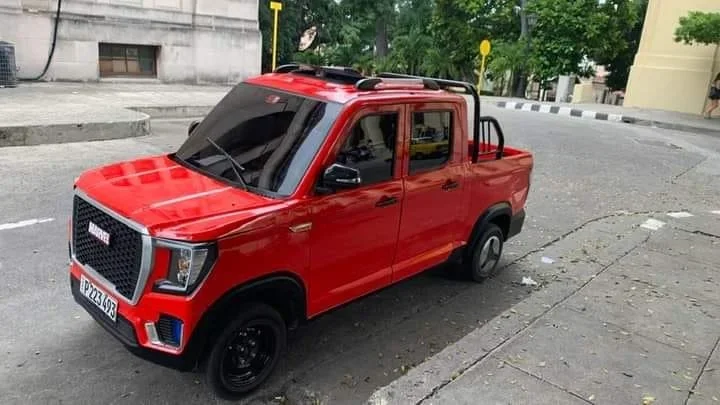
A Maryland-based company repeatedly offered to provide and install solar-powered electric vehicle charging stations at the embassy and ambassador’s residence at no cost to United States taxpayers. In addition, as the company had a license from the BIS to export electric vehicles from the United States to the Republic of Cuba, the company offered to deliver (lease, rent, sale) electric vehicles to augment the existing gasoline/diesel vehicle fleet. The company received the following initial response:
3 December 2021: United States Department of State: “The Biden Administration has clearly articulated the United States’ goal to accelerate and deploy electric vehicles and charging stations, create good-paying, union jobs, and enable a clean transportation future to combat climate change. However, the United States Embassy in Cuba does not operate any electric vehicles nor has any solar power charging stations at our Embassy compound or residences in Havana. At this time, it would be unlikely that the United States Embassy consider importing one or more electric vehicles for use in Cuba in the near future due to impediments in the electrical infrastructure and lack of trained mechanics on the island to service electric vehicles.”
On 17 November 2022, the Biden-Harris Administration approved a license application submitted on 22 October 2022 by Columbia, Maryland-based Premier Automotive Export, Ltd. (PAE) to the BIS to export electric vehicles and chargers to republic of cuba nationals with the “ULTIMATE CONSIGNEE: Privately owned companies in the Republic of Cuba owned by Cuba Nationals.” The BIS license is valid until 30 November 2026. PAE received six BIS licenses since 2017 including the first BIS license to export an electric vehicle to an embassy located in the Republic of Cuba.
8 May 2023: United States Department of State: “The Embassy is facing an emergency fuel crisis and is renting various electric vehicles from a local car rental agency until the crisis subsides. There are no American made electric vehicles available to rent in Cuba.”
9 May 2023: United States Department of State: “As noted in our previous response, the Embassy is facing an emergency fuel crisis and has taken temporary measures to ensure continuity of operations. Because of the fluid situation regarding fuel, the details you request change on a daily basis. The rental agency is not listed on the Cuba Restricted List. There is nothing more to share at this time.”
22 May 2023: To AP from United States Department of State: “There is a fuel crisis currently in Cuba. In order to maintain operations, the U.S. Embassy in Havana rented numerous electric cars that are available for rent in Havana. They will continue to do so until the crisis abates. There are no American-made electric cars in Cuba available for rent. The U.S. Embassy Havana currently does not operate any electric vehicles in its motor pool in Havana. All Department of State vehicles have a lifecycle and the Embassy is currently in the process of transitioning a large percentage of its vehicles to American-made electric vehicles and expects to have that process completed sometime in 2024. The vehicle needs of Embassy Havana vary daily as does the availability of various models of electric rental vehicles, their cost, and the Embassy offices which are in need of a vehicle.”
Link: AP and NBC News Also Want To Know Why U.S. Embassy In Havana Is Renting Electric Vehicles Made In China May 22, 2023
United States Department of State
Washington DC
22 May 2023
Briefing With Matthew Miller, Spokesperson
MR. MILLER: Matt, you want to close us off?\
QUESTION (Matt Lee, Associated Press): Yeah, I just – and these will be extremely brief because I think you’ll only have a five-second answer for both. One, do you know anything about the U.S. embassy in Cuba renting Cuban Government EV cars that are made by China?
MR MILLER: I do not. As I think you —
QUESTION: Okay. Could you —
MR MILLER: As you seemed to anticipate.
QUESTION: Could you – yeah. Well, I just heard about it, so I didn’t think you would have anything, but I wanted to get it out there on the record.
MR MILLER: Thank you.
QUESTION: Can you – could you – or maybe not you, someone look into this and find out if it’s true and what the deal is? I mean, it might be completely innocent.
Subsequent statement delivered later on 22 May 2023 to AP from the United States Department of State: “There is a fuel crisis currently in Cuba. In order to maintain operations, the U.S. Embassy in Havana rented numerous electric cars that are available for rent in Havana. They will continue to do so until the crisis abates. There are no American-made electric cars in Cuba available for rent. The U.S. Embassy Havana currently does not operate any electric vehicles in its motor pool in Havana. All Department of State vehicles have a lifecycle and the Embassy is currently in the process of transitioning a large percentage of its vehicles to American-made electric vehicles and expects to have that process completed sometime in 2024. The vehicle needs of Embassy Havana vary daily as does the availability of various models of electric rental vehicles, their cost, and the Embassy offices which are in need of a vehicle.”
QUESTION (Andrea Mitchell, NBC News): Can I just – can I just follow up on something that Matt had asked?
MR MILLER: What – yeah.
QUESTION: There was apparently a license, an export license, issued more than a year ago to a Maryland-based company to export an electric car and a charger to the embassy, and that four were supposed to be sent, and for some reason, apparently, Brian Nichols did not approve that. So —
MR MILLER: I will say I’m not aware of these reports, and I think I will make it a practice not to comment on things that broke while I was at this podium that I have not had a chance to look into.
QUESTION: Understood.
Links To Related Analyses
BIS "Returned Without Action" License Application To Donate EV Chargers To U.S. Embassy In Havana Because "Ultimate Consignee" Cancelled Transaction March 07, 2022
Surprise Decision: Biden-Harris Administration Renews Trump-Pence Administration License To Export EVs To Embassies In Cuba. Company Offers To Donate EV Chargers To U.S. Embassy/Ambassador Residence January 25, 2022
Is EV Data Really SCI? If U.S. Department Of State Wants U.S. Companies To Shift From Incredulousness To Embracing, Then Be Practical And Transparent Rather Than Secretive And Woefully Unprepared May 29, 2023