
Why Former OFAC Investigator Misleads “Not A Close Call” About What U.S. Companies Can Do In Cuba? Why Would Member Of The U.S. Congress Deny Reality Of His District?
/Why Former OFAC Investigator Misleads “Not A Close Call” About What United States Companies Can Do In Cuba?
Why Would Member Of The United States Congress Deny Reality Of His District?
Astonishing for a partner in a law firm who is a former sanctions investigator Office of Foreign Assets Control (OFAC) of the United States Department of the Treasury to share misleading statements about authorization for United States-based companies to provide direct investment into privately-owned companies owned by Republic of Cuba nationals residing in the Republic of Cuba.
Astonishing too for a member of the United States House of Representatives in the United States Congress to deny reality about unofficially-delivered direct investment into and unofficially-authorized direct financing to privately-owned companies owned by Republic of Cuba nationals residing in the Republic of Cuba. It’s been a reality for nearly thirty years.
The goal of the United States business community is to shift from what is unofficial, thus unauthorized, to official, thus authorized and transparent. The focus today must be toward the government of the Republic of Cuba since the United States government did its part- nearing four years ago.
“It’s kabuki theater. They’re [government of the Republic of Cuba] signaling to the U.S. government. They’re not signaling to potential investors in Miami because they know- I know that they know- that those investments are not allowed under U.S. law… U.S. law is no where near authorizing those investments. I mean, it’s just not even- it’s not a close call. The Executive Branch is very limited in what it can do.” Jeremy Paner, a former sanctions investigator at the OFAC
On 10 March 2022, the Biden-Harris Administration (2021-2025) instructed the Office of Foreign Assets Control (OFAC) of the United States Department of the Treasury to issue a license authorizing the first direct investment in and direct financing to a privately-owned company owned by a Republic of Cuba national and located in the Republic of Cuba.
Link: Biden-Harris Administration Approves First Equity Investment Since 1960 In A Private Cuban Company May 10, 2022
Link: With U.S. Government Authorization For First Direct Equity Investment Into A Private Company In Cuba, Here Is Important Context And Details. About The Parties; About The Message. May 16, 2022
“The Support for the Cuban People (SCP) License Exception (Section 740.21 of the Export Administration Regulations (EAR)) is managed by the Bureau of Industry and Security (BIS) within the Department of Commerce. Exporting non-controlled items (classified as EAR99) to the Republic of Cuba for purposes including improving living conditions, supporting independent economic activity, strengthening civil society, and facilitating free information flow. The licenses usually stipulate exported goods must be designated for the Republic of Cuba nationals, cannot be re-exported, should not primarily generate income for the government of the Republic of Cuba, and cannot be sold directly to the government of the Republic of Cuba or to Republic of Cuba government-operated entities.
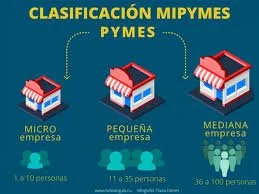
In 2021, the first micro, small, and medium-size enterprises (MSME’s) were authorized by the government of the Republic of Cuba. Severely limited self-employment was authorized in the mid-1990’s and then expanded further in 2010. There are today a reported approximately 10,000 MSMEs operating in the Republic of Cuba.
Since 2022, when the first license was issued by Bureau of Industry and Security (BIS) of the United States Department of Commerce for the export of vehicles to Republic of Cuba nationals and to private companies in the Republic of Cuba, the cumulative export value of the initiatives in place during the Obama-Biden Administration (2009-2017), Trump-Pence Administration (2017-2021), Biden-Harris Administration (2021-2025), and Trump-Vance Administration (2025-2029) exceeds US$394 million of which electric and gasoline-powered new and used vehicles, bicycles, trucks, motorcycles and mopeds, and parts, exceeds US$227 million (Year 2025: US$149,413,031.00; Year 2024: US$67,241,234.00; Year 2023: US$10,546,419.00; Year 2022: US$89,848.00), and purchases (equipment and products) for use by the re-emerging private sector in the Republic of Cuba driving the growth.
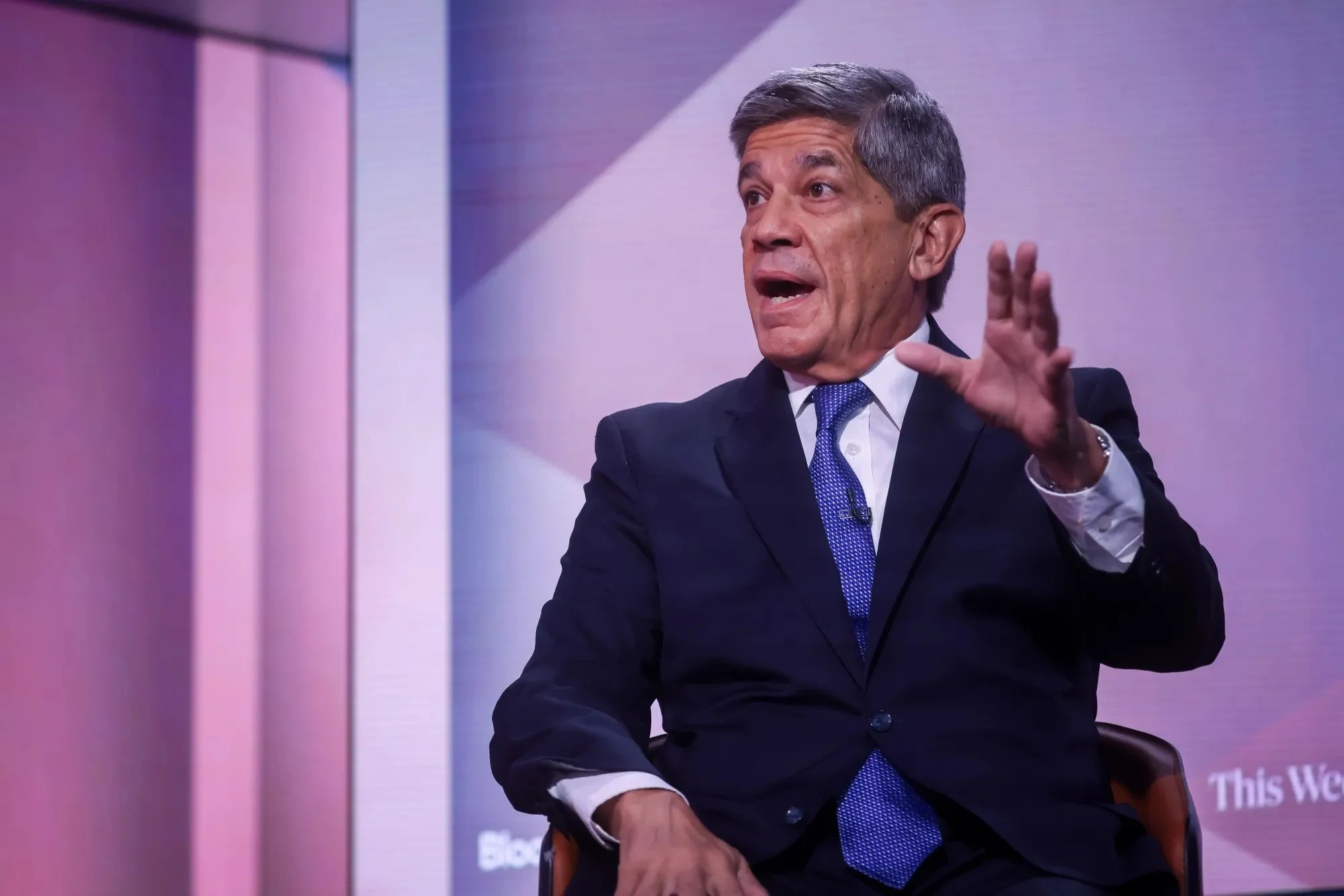
“If you’re crazy, go ahead, invest in Cuba… There is NOTHING the regime has that the United States wants. There will be ZERO investment from the US unless there is MAJOR political change on the island.” Carlos Gemenez, United States House of Representatives (R- 28th Florida)
2025 was the third-highest US Dollar value in exports since the first Trade Sanctions Reform and Export Enhancement Act (TSREEA) of 2000 deliveries in December 2001.
United States agricultural commodity and food product exports in 2025 were US$490,111,943.00 compared to US$433,662,216.00 in 2024 representing an 13.0% increase year-to-year.
For 2025, the Republic of Cuba ranked 49th of 222 global agricultural commodity and food product export markets for United States-based companies.
Since the first exports using TSREEA, more than US$8.3 billion has been received by United States-based companies, on a cash-in-advance basis as required by the TSREEA.
As to the legitimacy of the re-emerging private sector in the Republic of Cuba, the Trump-Vance Administration delivered critically-timed messages to owners and employees of privately-owned companies located in the Republic of Cuba and to management of United States-based companies.
The OFAC authorization for the export of fuels from the United States to the Republic of Cuba was issued as a general license. Meaning no application is required. The transactions are based upon the honor system. The requirements are published by the OFAC, and both the United States-based exporter and Republic of Cuba-based importer must voluntarily adhere to those requirements.
By issuing a general license, the message to the re-emerging private sector in the Republic of Cuba was they are legitimate, they are relevant, the United States government wants to support them, and the government of the Republic of Cuba should not constrain them.
By issuing a general license, the message to United States-based companies was similar- the United States government recognizes the legitimacy of the re-emerging private sector in the Republic of Cuba, supports engagement with it, and trusts United States-companies to adhere to the requirements. The trust component is critical because it further normalizes the transaction process- which means an increase in interest.
Cmkc.cu