
The Bank Shot Is How Departure Of Maduro From Venezuela Hastens Changes, Rather Than Departures From Cuba. The Law Of Intended Consequences
/The Bank Shot Is How Departure Of Maduro From Venezuela Hastens Changes, Rather Than Departures From Cuba
The Law Of Intended Consequences
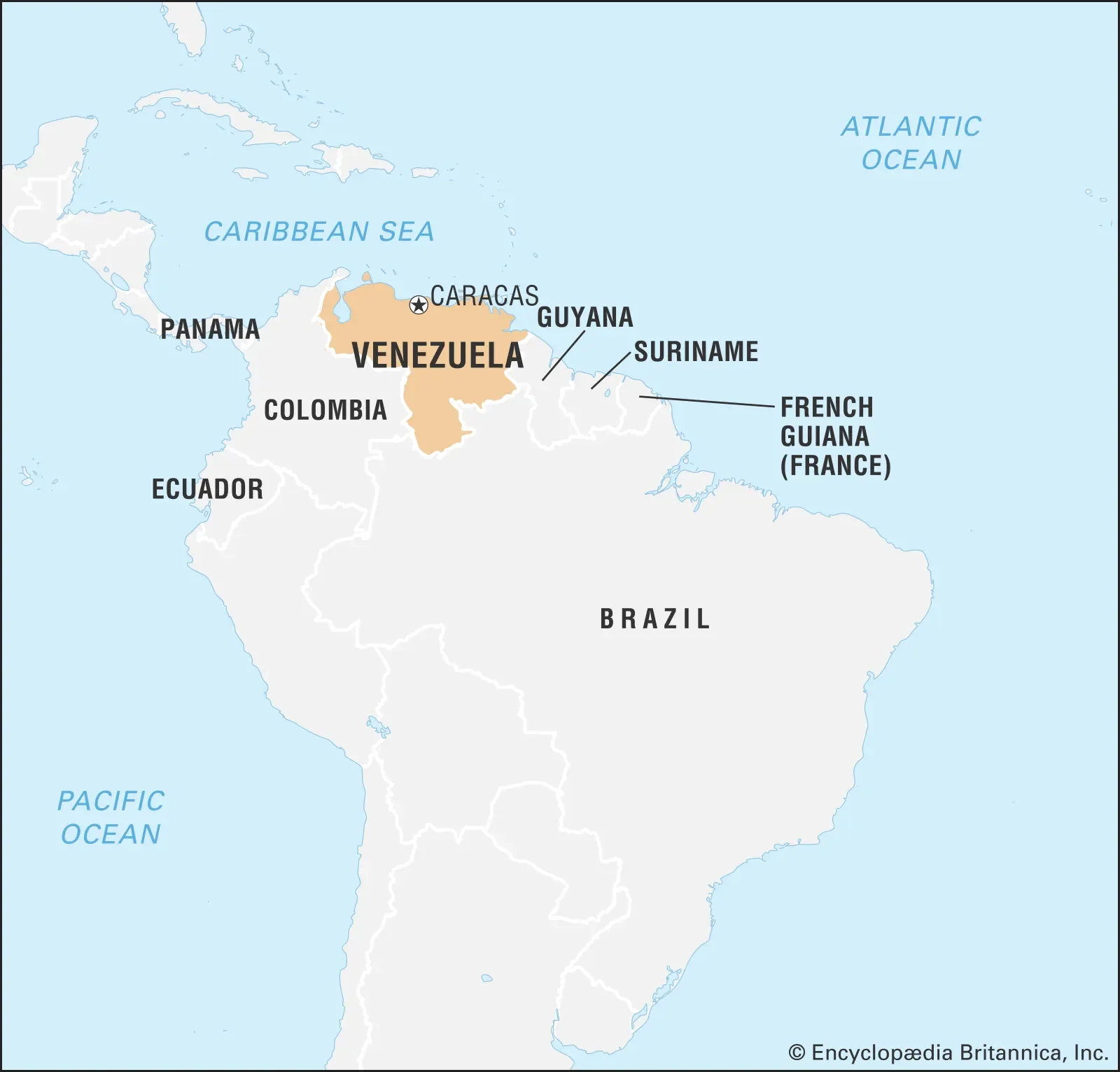
The Trump-Vance Administration (2025-2029) has confirmed the departure of Nicolas Maduro President of the Bolivarian Republic of Venezuela (2013-2025), and Mrs. Maduro from the capital city of Caracas.
Remaining unknown is if the type of departure was negotiated. Meaning, President Maduro said he would not voluntarily depart, but if there is a viable effort to abduct him, he will not resist. For him, where he will reside and how he will finance the remainder of his life is an important concern.
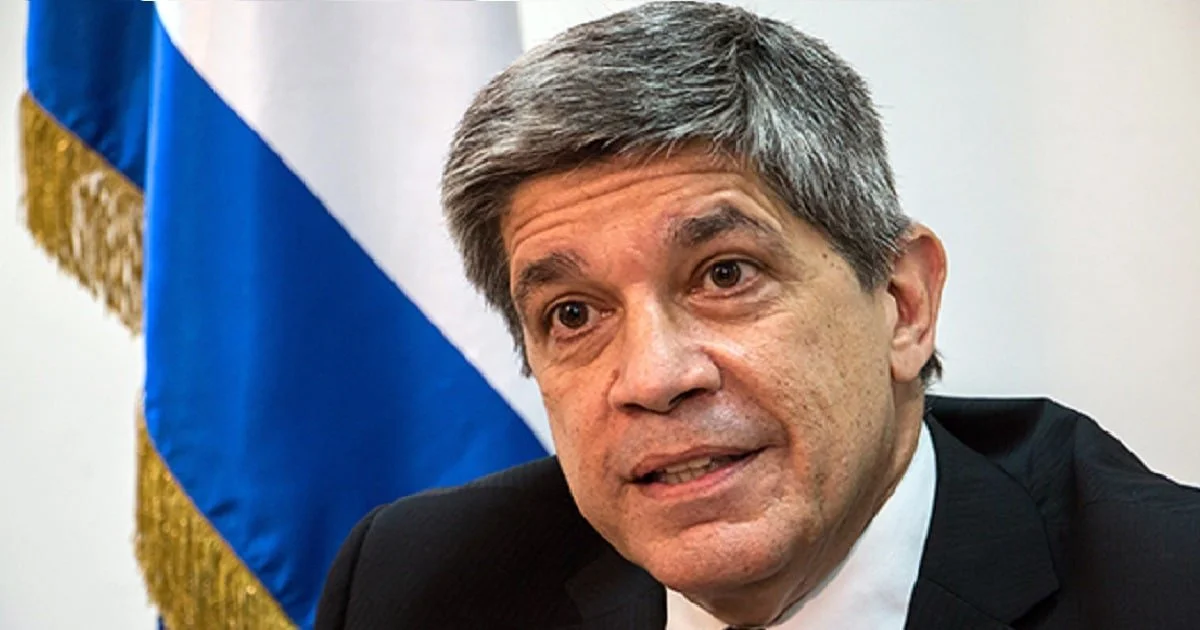
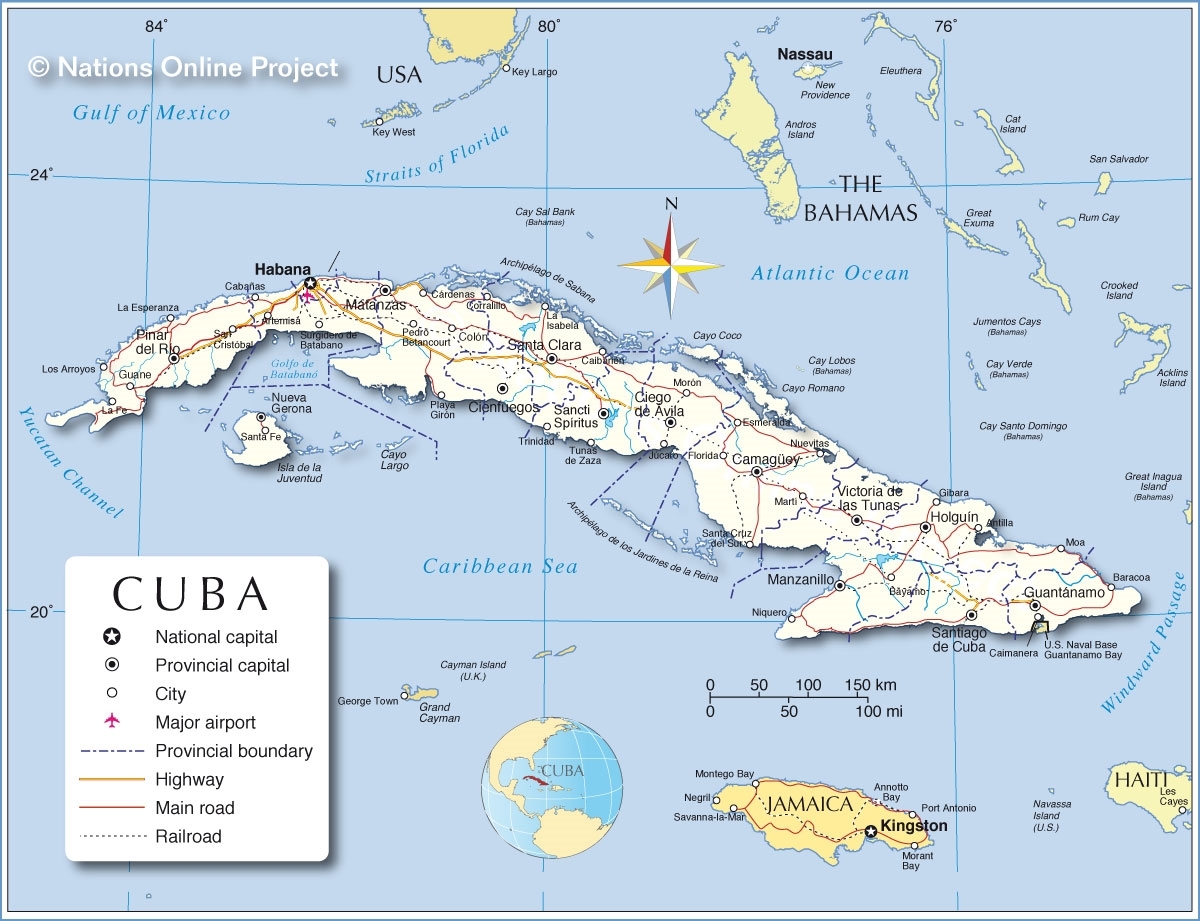
Do not expect United States Navy Seals or United States Army Rangers to repel from a CH-A47F Chinnock helicopter and dislodge Miguel Díaz-Canel Bermúdez, President of the Republic of Cuba (2019- ) from his office at the Palacio de Revoluciones in Havana, Republic of Cuba.
The Diaz-Canel-Valdes Mesa Administration (2019- ) has been modeling since 20 January 2025 for an outcome they desperately neither wanted nor knew they would not have the capacity to prevent if Donald Trump, President of the United States (2017-2021 and 2025-2029) directed the United States Department of Defense (War) to implement.
For President Diaz-Canel, the immediate post-Maduro issues are short-term, medium-term, and long-term implications for the commercial, economic, financial, military, political, and social relationship with the government of Venezuela.
The replacement of President Maduro with Delcy Rodríguez, Executive Vice President of Venezuela (2018-2026) may not result in an immediate impact upon the government of the Republic of Cuba.
The government of the Republic of Cuba may need to replace commercial opportunities provided by Venezuela specifically payment for Republic of Cuba nationals providing education, healthcare, and military services in Venezuela; energy products sourced from Venezuela, direct financial support provided by the government of Venezuela, and even the provision of aircraft by the government of Venezuela to transport officials of the government of the Republic of Cuba.
While finding sources for energy imports will not be problematic for Republic of Cuba government-operated enterprises, structuring payments for energy imports with the same terms as provided by Venezuela-based enterprises will be immensely challenging. The government of the Republic of Cuba does not timely make payments for energy imports from Venezuela.
The reason is the government of Venezuela has since 2000 agreements signed by Hugo Rafael Chávez Frías, President of Venezuela (1999-2013), and Dr. Fidel Castro Ruz, President of the Republic of Cuba (1976-2008). Those agreements provided and continue to provide substantial energy product deliveries, substantial discounts to market prices, and long-term payment terms- which the government of the Republic of Cuba has not maintained.
Other country sources for energy include Mexico (which has been providing donated and subsidized energy products despite increasing criticism from the Trump-Vance Administration and pressure likely with further intensity as Mexico City negotiates trade agreements with Washington DC); Russian Federation (which has been which has been providing donated and subsidized energy products); and Iran (which has been providing donated and subsidized energy products).
This morning is a Shock and Awe moment for the government of the Republic of Cuba and for those governments interacting with the government of the Republic of Cuba. However, if the behavior of the new government of Venezuela does not meaningfully and rather quickly pivot diplomatically and politically in directions desired by the Trump-Vance Administration, then officials in Beijing, Havana, Mexico City, Moscow, and Tehran may adapt to a different head on the same body.