
38 Days: U.S. Acquisition Of Canada's Sherritt Now First Key To Remove Lock On Cuba's Electricity, Gas, Minerals, And Oil Sectors.
/“The Trump administration has offered the regime clear options for receiving humanitarian assistance, distributed through appropriate channels, and fuel if it privatizes the energy industry.”
Link: Cuba: And Now There Are Two… Antilles Gold Has Until 25 January 2027 And Sherritt International Has Until 12 October 2026 August 27, 2026
U.S. denies Cuba: dialogue continues, and accuses regime of blocking deals
3 September 2026
By Mario J. Penton
"The talks continue," a U.S. State Department spokesman told Martí Noticias. He added that Washington has offered humanitarian and fuel assistance in exchange for Havana opening the energy sector to private investment, but the Cuban regime continues to prioritize state control.
The State Department said that the talks between the United States and Cuba continue, contradicting the version offered by Havana that the bilateral dialogue is completely paralyzed and that there are currently no negotiations between the two countries.
“In reality, the talks continue and, so far, the regime has not been willing to accept anything that can help the Cuban people and ultimately threatens their full control,” a State Department spokesman told Martí Noticias.
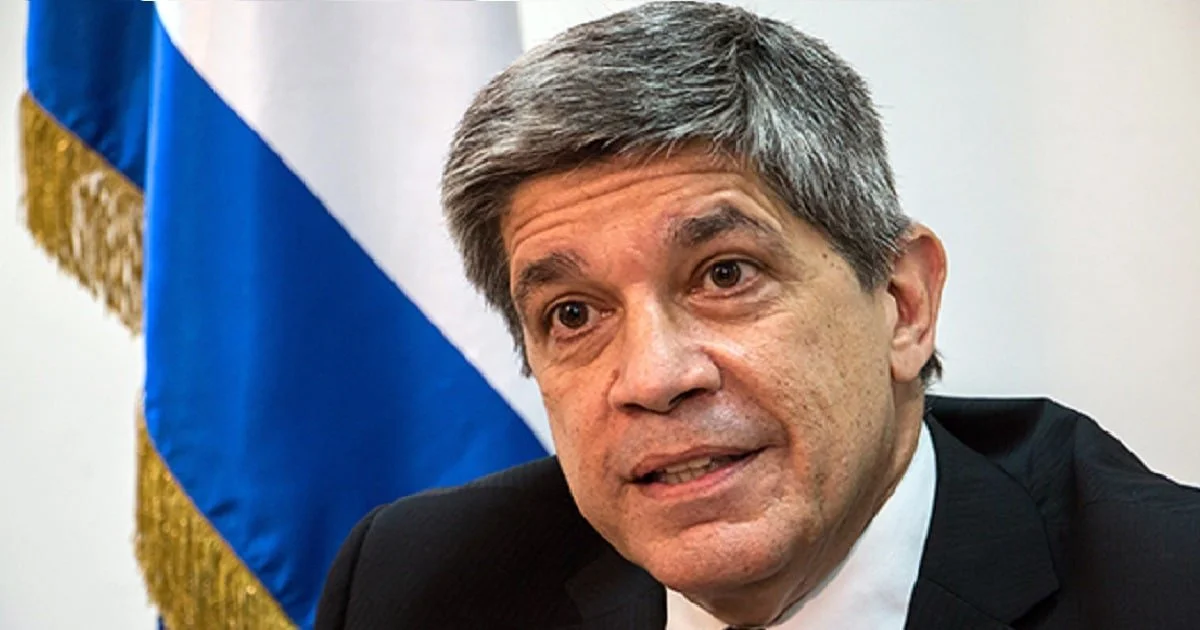
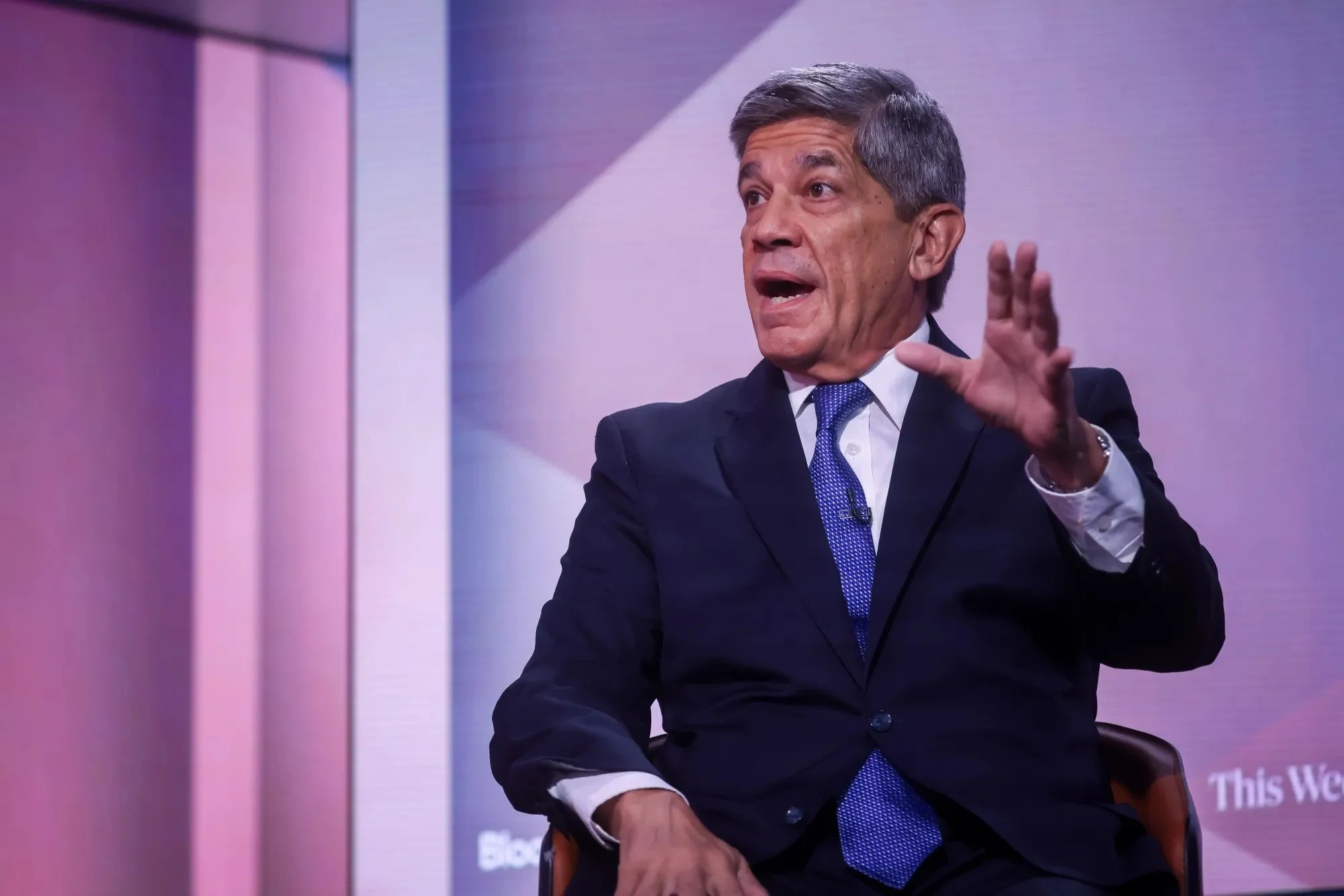
The reaction comes after Lianys Torres Rivera, Cuba’s top diplomatic representative in Washington, said in an interview with Bloomberg that the dialogue channel was “completely stalled” and that the parties had not even managed to agree on a basic agenda. For the State Department, those statements are part of Havana’s propaganda narrative. “We are not surprised that the Cuban regime is spreading this propaganda,” the spokesman said.
Confirmation that there are open conversations raises new questions about the scope, level and issues addressed in those contacts. Washington did not specify who participates in them, when the most recent meeting was or whether it was formal negotiations or discrete communications between representatives of both governments.
Trump keeps ‘many options’ on the table
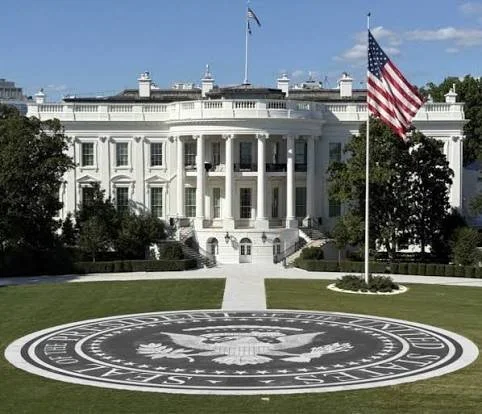
The spokesman said that President Donald Trump has different alternatives to respond to the Cuban situation and press for political and economic transformations within the island. “As with any foreign policy issue, President Trump has many options at his disposal,” he said. “The U.S. government will continue to use all available tools to address the national security threats posed by the Cuban communist regime and to push for economic and political reforms that allow Cuba to have a better future.”
According to the official, the White House strategy is not limited to punishing the Cuban regime, but seeks to force structural changes that allow the expansion of the private sector and the economic recovery of the country. “President Trump continues to exert pressure to push for much deeper economic and political reforms that make Cuba a country where it is possible to invest, allow private companies to grow in a way that helps the island develop and recover, and grant the Cuban people the freedom, dignity and opportunities they deserve.”
Washington offered fuel if Cuba privatizes energy sector
The State Department also revealed that the Trump Administration presented the Cuban government with options to receive humanitarian aid and fuel, conditioned on an opening of the energy sector to private management.
“The Trump administration has offered the regime clear options for receiving humanitarian assistance, distributed through appropriate channels, and fuel if it privatizes the energy industry,” the spokesman said. “But, unfortunately, it continues to prioritize state control over the well-being of the Cuban people,” he added. The proposal acquires special relevance in the midst of the severe energy crisis that the island is going through, marked by prolonged blackouts, deteriorated thermoelectric power plants and a severe fuel shortage.
The Cuban ambassador says otherwise
The Cuban representative in Washington attributed the crisis to the U.S. policy of maximum pressure and said that Cuba had received only a shipment of fuel in 200 days. Torres called the restrictions a “collective punishment” and a “war without bombs.”
The State Department rejected that interpretation and directly blamed the Cuban authorities. “The energy crisis is the direct result of the incompetence of the Cuban regime,” the spokesman said. “Footing Cubans have endured blackouts for years, while the illegitimate regime focused on storing fuel for their elites and reselling it in Asia for cash gain.”
Humanitarian aid and solar lamps
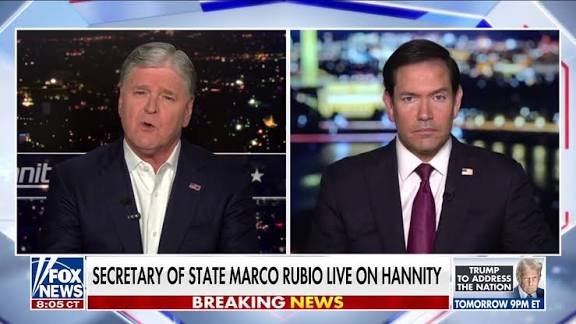
The spokesman also offered details on humanitarian aid sent to Cuba in July. He explained that the delivery included non-perishable food packages, essential hygiene products and solar lamps capable of charging cell phones and other mobile devices. “The Trump administration remains committed to helping the Cuban people while continuing to survive under an illegitimate regime,” he said. The State Department announced publicly in July the dispatch of the first humanitarian assistance flight to Cuba as part of a US$100 million commitment pushed by Secretary of State Marco Rubio and executed with the collaboration of Catholic Relief Services. Washington insists that assistance should be distributed through independent organizations and channels to prevent control of the Cuban authorities.
Accusations of corruption and “kleptocracy”
The State Department also raised the tone against the ruling leadership, which it blamed for decades of economic deterioration and for allocating the country’s resources to the military, intelligence and propaganda apparatus. “The failed Cuban regime continues to blame the United States and everyone else for their own incompetence and corruption,” the spokesman said. “The Cuban people are suffering, as they have for seven decades, while the Castros travel on their private plane, exhibit their luxury items to complacent foreign media and use the scarce fuel and resources available in their intelligence, military and propaganda apparatuses, rather than allocating them to ordinary Cubans.”
The source said the root of the crisis is in “the obvious kleptocracy and economic mismanagement of the regime” and accused the ruling elite of keeping billions of dollars in bank accounts outside of Cuba. “They hide billions in offshore bank accounts rather than investing in electricity, infrastructure, responsible maintenance and the day-to-day needs of their people,” he said. The spokesman defended Washington’s financial restrictions by pointing out that they are directed against entities controlled by the Cuban security services. “Our firm policy towards Cuba restricts financial transactions with entities owned or controlled by the Cuban security services, with the aim of preventing the regime from accessing resources used to enrich and violently suppress the Cuban people,” he concluded.
Links To Related Analyses
Five Entities In Cuba's Banking, Energy, Mining Sectors And Grandson Of Raul Castro Added To SDN List September 3, 2026
Cuba: And Now There Are Two… Antilles Gold Has Until 25 January 2027 And Sherritt International Has Until 12 October 2026 August 27, 2026
U.S. Secretary Of State Rubio Meets With Minister Of Foreign Affairs Of Canada August 20, 2026
Trump-Vance Administration Increases Pressure On Cuba's Mining Sector. Impacting U.S. Control For Canada's Sherritt? August 20, 2026
Added To SDN List: Cuba Ministry Of Construction (MINCONS). August 20, 2026
U.S. Department Of State Sanctions ICAP And Nine Entities In Cuba August 20, 2026
The Drama In Canada Continues: "Kyma is not entitled to call a meeting of the Corporation’s shareholders... inappropriate and invalid..." August 19, 2026
For U.S. Secretary Of State Marco Rubio, Change In Cuba Seems More Like Pouring Ketchup Than Pouring Rum August 12, 2026
sciencenotes.org