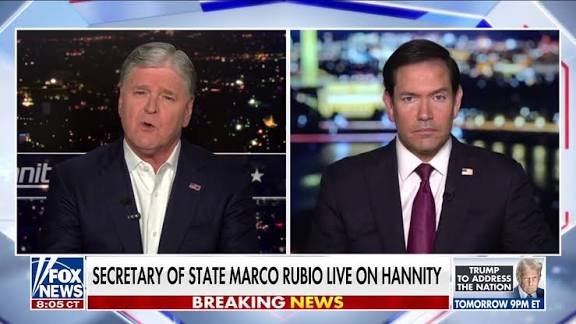

Talking About Cuba: United States Secretary Of State Rubio On The Brian Kilmeade Show
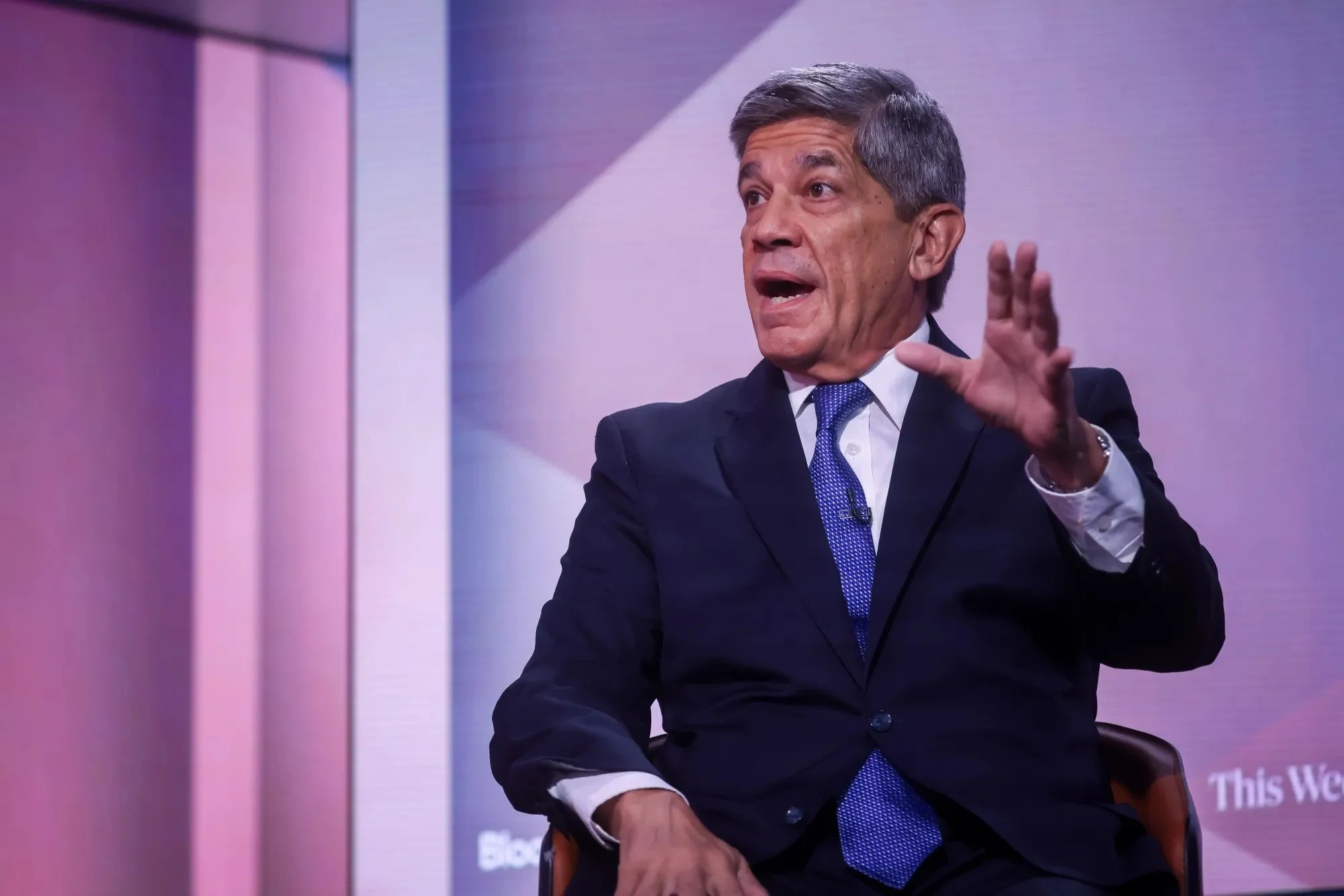
/Secretary of State Marco Rubio with Brian Kilmeade on The Brian Kilmeade Show
2 September 2026
QUESTION: Mr. Secretary, I see the unbelievable success in Central and South America as they begin to transition towards more representative governments, from Argentina to Bolivia, to what we’re seeing now in Venezuela, and it seems like Cuba is teetering. How much longer do you expect this Cuban Government to stay in power? And how important would it be for the United States interests for that to become a representative government, a democratic government?
SECRETARY RUBIO: Well, first of all, Cuba is a failed state right now, and it’s not because of us. People say it’s because of us; it’s not. Cuba was getting free oil from Maduro. Maduro was literally stealing the oil of the people of Venezuela and giving it for free to Cuba. Cuba would take that oil – and they weren’t using it to benefit the Cuban people; they were selling the majority of that oil for cash, and that cash was going into their pockets. That’s no longer happening. That’s the number one thing that’s happened here, is they’re no longer stealing the oil of Venezuela and getting it for free.
And so – so that really is the fundamental challenge they face in terms of – but their energy sector. You see these blackouts in Cuba. These blackouts are not new; they’ve been having blackouts for five or seven years. You know why? Because their system doesn’t function; it doesn’t work. They have equipment from the 1940s and ’50s, and they haven’t re-upped it or invested in it at all, because the economic model doesn’t work. So I think the goal is that Cuba – the only solution and answer to Cuba – and we’re prepared to play a productive role in this – is to place itself on an irreversible path towards becoming a normal functioning state that eventually, of course, also is a democratic one as well.
That’s the future of Venezuela, and by – future of Cuba. And by the way, U.S. policy towards Cuba, unlike U.S. policy towards Venezuela or other countries – U.S. policy towards Cuba is codified. It’s in statute; there’s a law. And that law regulates what we can and cannot do with Cuba, and it makes very clear that ultimately, normalization between our countries cannot fully happen – under that law passed by Congress over 20-something years ago – cannot happen unless there’s a functioning democracy, or at least steps towards a functioning democracy. So in many ways, when it comes to Cuba policy, it’s governed not simply by the desires of an administration; it’s governed by law that’s sitting on our books.