
Delta Air Lines Is Defendant In Cuba Libertad Act Title III Lawsuit For Use Of Airport In Cuba
/IN THE UNITED STATES DISTRICT COURT FOR THE SOUTHERN DISTRICT OF FLORIDA
CASE NO.: 25-25575-CIV-MORENO
JOSE RAMON LOPEZ REGUEIRO, Plaintiff, v. DELTA AIR LINES, INC., Defendant.
Rivero Mestre LLP (defendant)
Boies Schiller Flexner LLP (plaintiff)
11/26/25- THE ACTION
Jose Ramón López Regueiro sues defendant Delta Airlines, Inc. (“DAL”), under the Cuban Liberty and Democratic Solidarity Act, 22 U.S.C. § 6021, et seq. (the “Libertad Act”), for unlawful trafficking in his confiscated property in Cuba.
4/28/26- DELTA AIR LINES’ MOTION TO DISMISS AND CLAIM OF UNCONSTITUTIONALITY
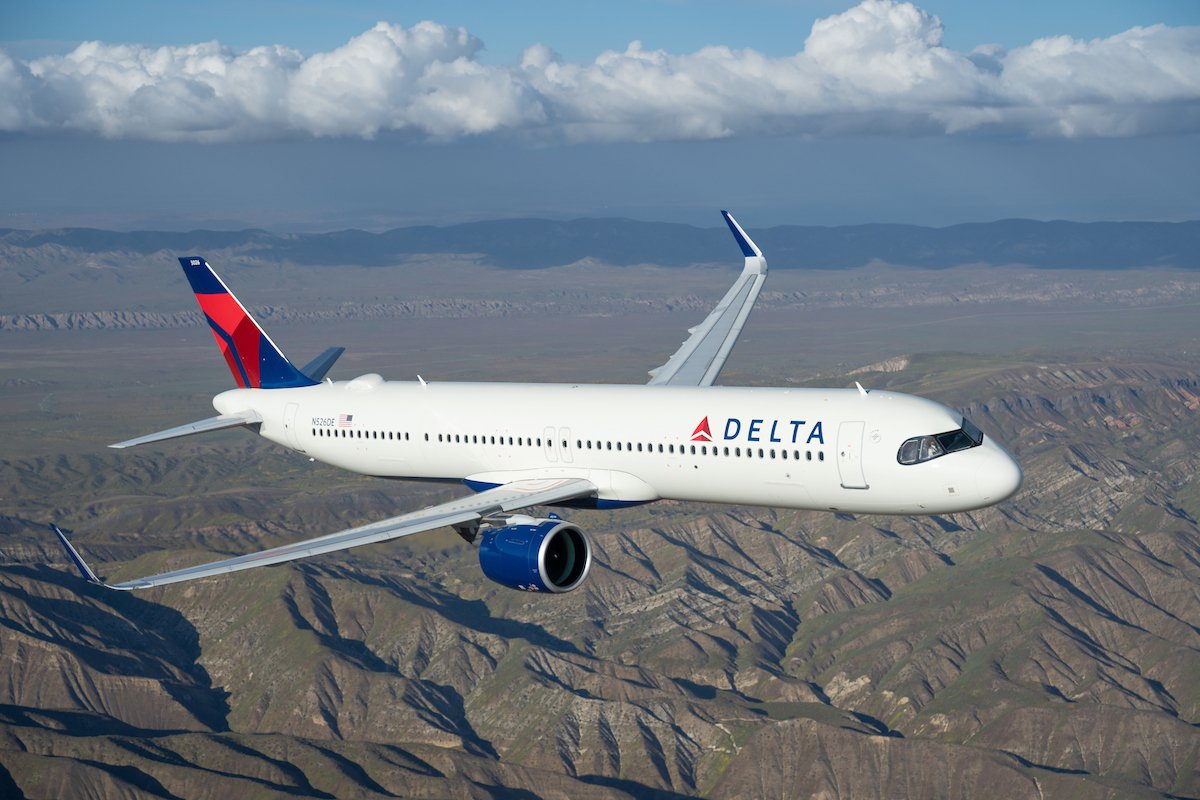
Since 2016, the United States government has expressly authorized Defendant Delta Air Lines to provide scheduled flights from the U.S. to the José Martí International Airport in Havana (the “Airport”). Over the next decade, Delta’s Havana flights allowed countless Americans to engage in licensed travel to Cuba, consistent with federal policy. Now, six years after intimating that he would sue Delta and six years after he launched similar claims against other airlines, Plaintiff Jose Ramon Lopez Regueiro now asserts that Delta’s approved use of the Airport constitutes trafficking in confiscated property. Lopez Regueiro’s reluctance to sue Delta was warranted because his suit is legally barred many times over.
First, Lopez Regueiro acquired his uncertified claim (the “Claim”) too late. The Helms-Burton Act required him to acquire the Claim before March 12, 1996. But documents attached to the Complaint reveal that he had no possession or control of any claim until at the earliest 2010. Indeed, the Complaint and its attachments reveal that Lopez Regueiro was a Cuban National who could not have inherited any assets from Jose Lopez Vilaboy (who died in the United States) before 1996, because the Cuban sanctions regime blocked such transfers.
Second, this suit is barred by Delta’s own certified claim. Indeed, this is the first Helms-Burton suit brought against a certified claimant by someone with an uncertified claim including the same property. Here, Plaintiff Lopez Regueiro alleges that he inherited an uncertified claim to the Airport. He asserts that Delta “trafficked” in that Airport by flying to it. But in 1962, the Cuban government confiscated Delta’s property in Cuba—including offices at the Airport—and the United States Foreign Claims Settlement Commission (“FCSC”) certified Delta’s claim to that confiscated property. The Helms-Burton Act was intended to benefit certified claimholders, not to expose them to suits by those lacking such claims.
Third, the suit also fails as a matter of law because, on its face, it alleges only that Delta engaged in lawful travel to Cuba, based on judicially noticeable federal orders expressly authorizing Delta to use this Airport.
Fourth, if the case cannot be resolved on these statutory grounds, the suit must be dismissed because the Helms-Burton Act’s private right of action is unconstitutional: Congress may not create a right of action that can be “suspended” at will by the President, as is the case here.
Libertad Act Title III Lawsuit Filings Data/Statistics Since 2019