
Analysis Of 1 May 2026 Republic Of Cuba-Focused Executive Order From The White House: What It Means, Could Mean, May Not Mean
/The Trump-Vance Administration’s (2025-2029) decisions relating to the Republic of Cuba are more representative of incrementalism than “shock and awe” to achieve specified, or unspecified, results.
There is substantive distance between the headlines- the announcement of decisions, and the implementation of the headlines.
The timeline is more reflective of pouring ketchup rather than from the impact of a fire hose.
Whatever are the commercial, economic, financial, military, political, and societal changes implemented by the government of the Republic of Cuba, the implementers will be a combination of individuals currently serving in appointed and elected positions along with individuals new and renewed.
For the Republic of Cuba, government (regime) change will be defined by changing the behavior of the government (regime) rather than changing, in totality, those who serve in the government (regime).
Since 20 January 2025, the beginning of the Trump-Vance Administration, the government of the Republic of Cuba has continued to announce changes. Thus far, they have announced more changes than they have implemented changes.
Statements from officials continue to reflect the overall theme of what is desired by the Trump-Vance Administration. Not perfectly aligned, but not in opposition.
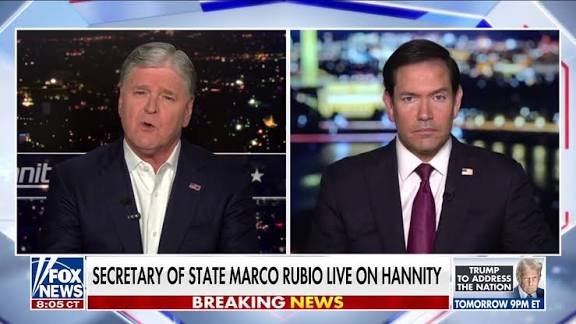
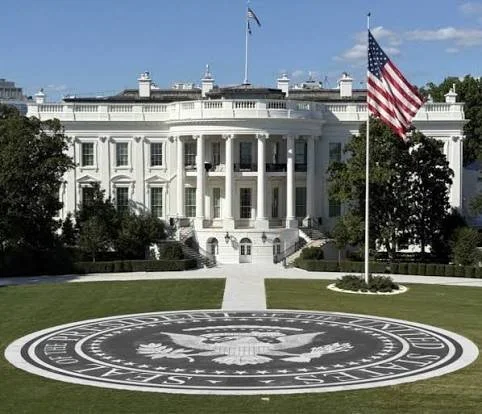
There continue to be statements emulating from the upper floors of the Palacio de la Revolucion from which The White House can declare victory- anything said by Havana since 20 January 2025 can be considered a response to Washington DC- where there is a new political sheriff in town.
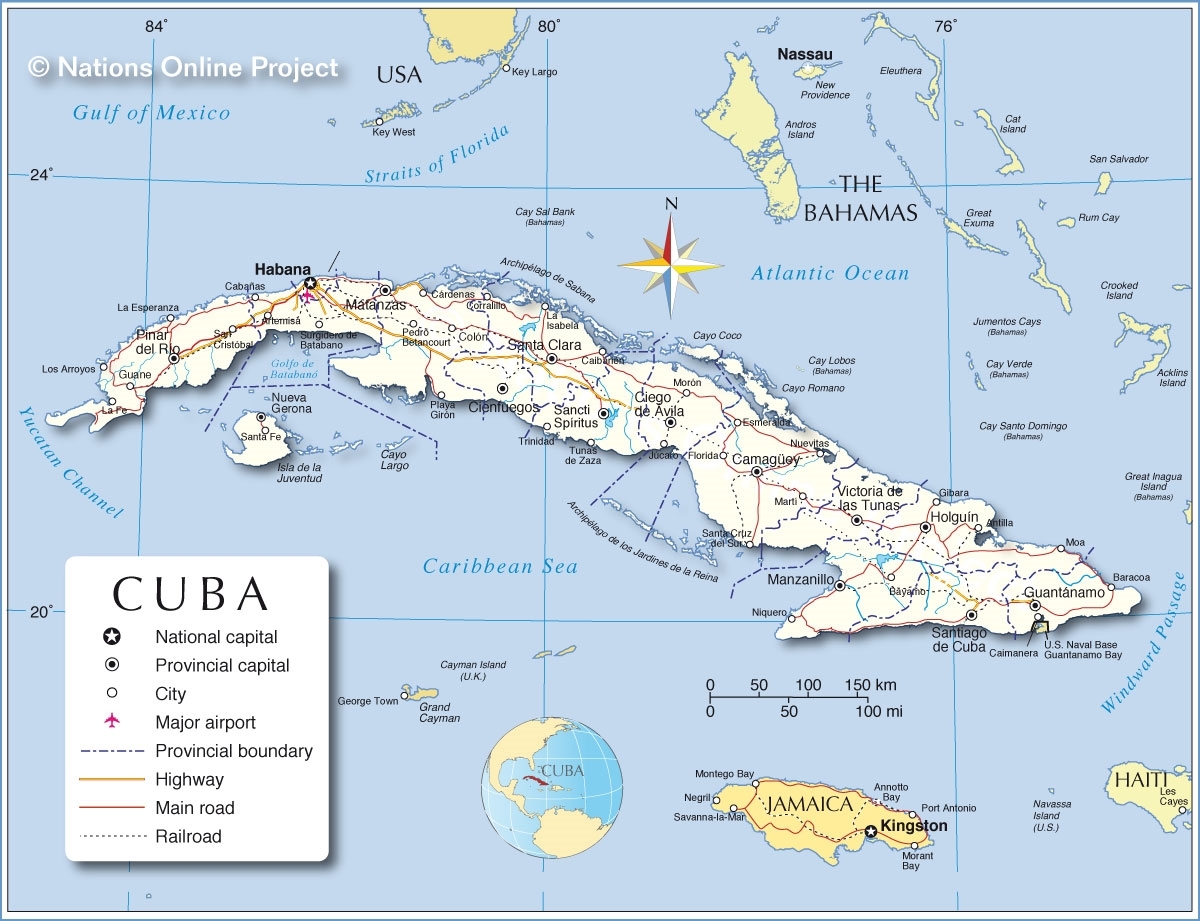
The 2,143-word Executive Order of 1 May 2026 is the political version of a storm cloud. In this instance, a storm cloud measuring the length and width of the archipelago that is the Republic of Cuba with baby storm clouds distributed toward other countries- particularly those with connectivity to the government of the Republic of Cuba.
As written, the Executive Order is designed to inflict on a global scale as much apprehension, confusion, fear, and uncertainty as possible. It accomplished this goal.
On Monday, compliance officers within financial institutions, general counsels at companies, and government bureaucrats will begin to dissect each of the 2,143 words to determine if and how they may impact their operations and the operations of their employees, employers, and constituents.
The weakest link in the responsive chain will, as it has most recently since the Trump-Pence Administration (2017-2021) on 2 May 2019 made operational Title III of the Cuban Liberty and Democratic Solidarity Act of 1996 (known as “Libertad Act”), be the Brussels, Belgium-based leadership of the twenty-seven-member country European Union (EU).
In 2019, the EU publicly said it would issue a Request for Proposal (RFP) to retain legal counsel in the United States for any EU-based defendant. That never happened.
Thus, The White House will believe, correctly, that it has nothing to fear in terms of retaliation for its Executive Order of 1 May 2026, as well as, previously Republic of Cuba-related Executive Orders. There will likely be statements in opposition- but the current occupant of the Oval Office fuels from statements opposing his decisions.
The country at most risk is EU-member and NATO-member Spain, where Prime Minister Pedro Sanchez is squarely in the political nightscope, rangefinder, and telescopic sight of Donald Trump, President of the United States (2017-2021 and 2025-2029).
If, and this remains a capitalized IF, the United States Department of the Treasury and United States Department of State decide to implement provisions of the Executive Order issued on 1 May 2026, then Palma de Mallorca, Spain-based Melia Hotels International SA, along with Spain-based financial institutions, are the most likely targets.
Not necessarily because Spain-based entities would be legitimately in contradiction to provisions of the Executive Order issued on 1 May 2026, but because of the satisfaction President Trump would receive from targeting Prime Minister Sanchez.
In June 2026, the G7 Leaders’ Summit will be hosted by Emmanuel Macron, President of France. Tradition has the government of Spain represented despite not being a member of the G7. In 2025, Spain’s GDP would rank 14th or 15th.
President Trump will be relishing, drooling at the prospect of a confrontation with Prime Minister Sanchez.
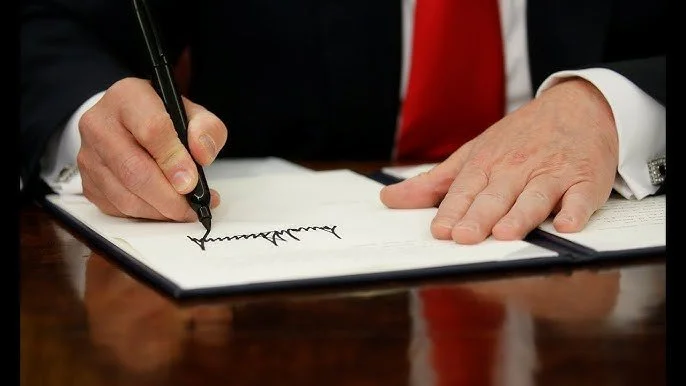
David Pakman-YouTube