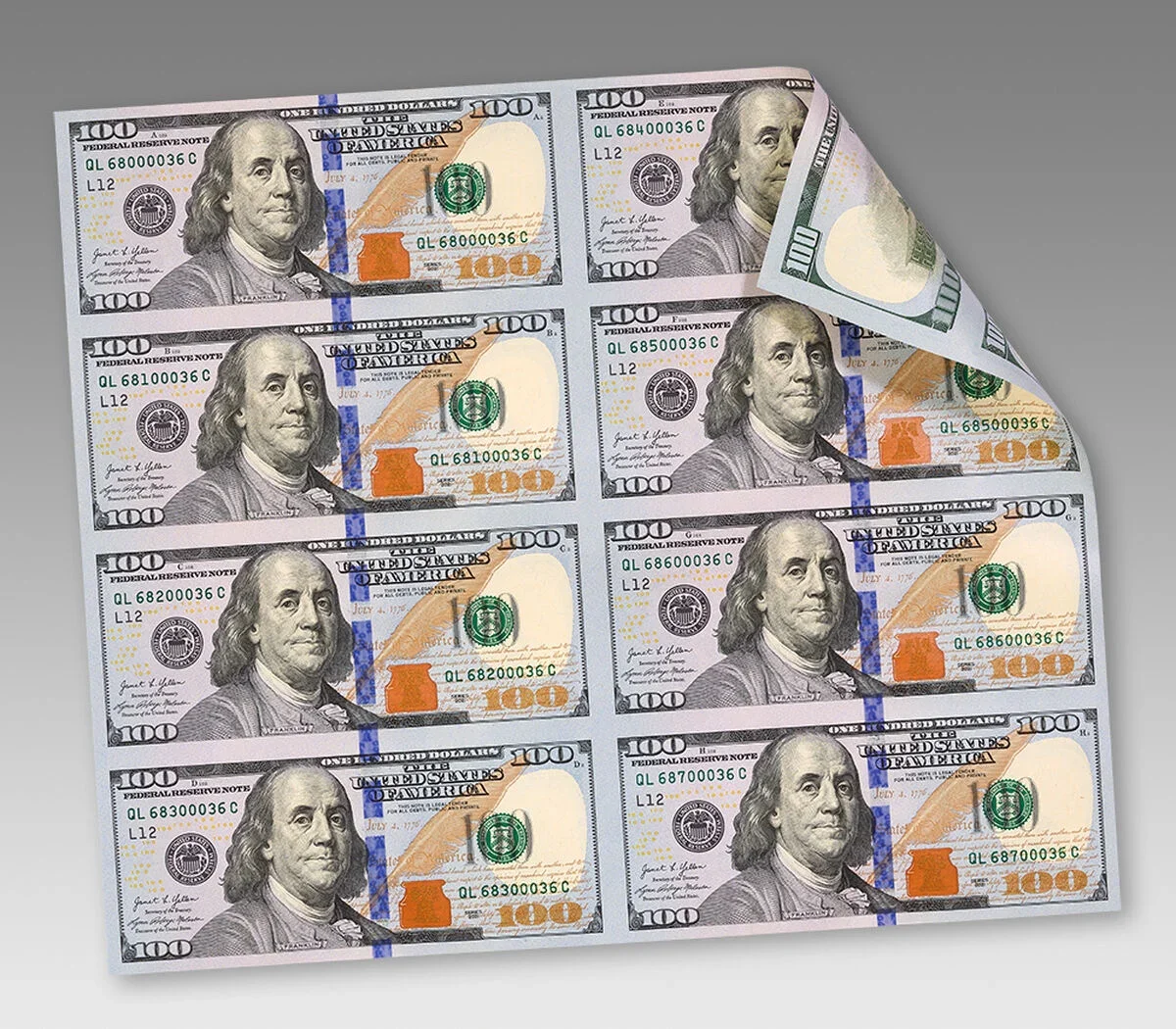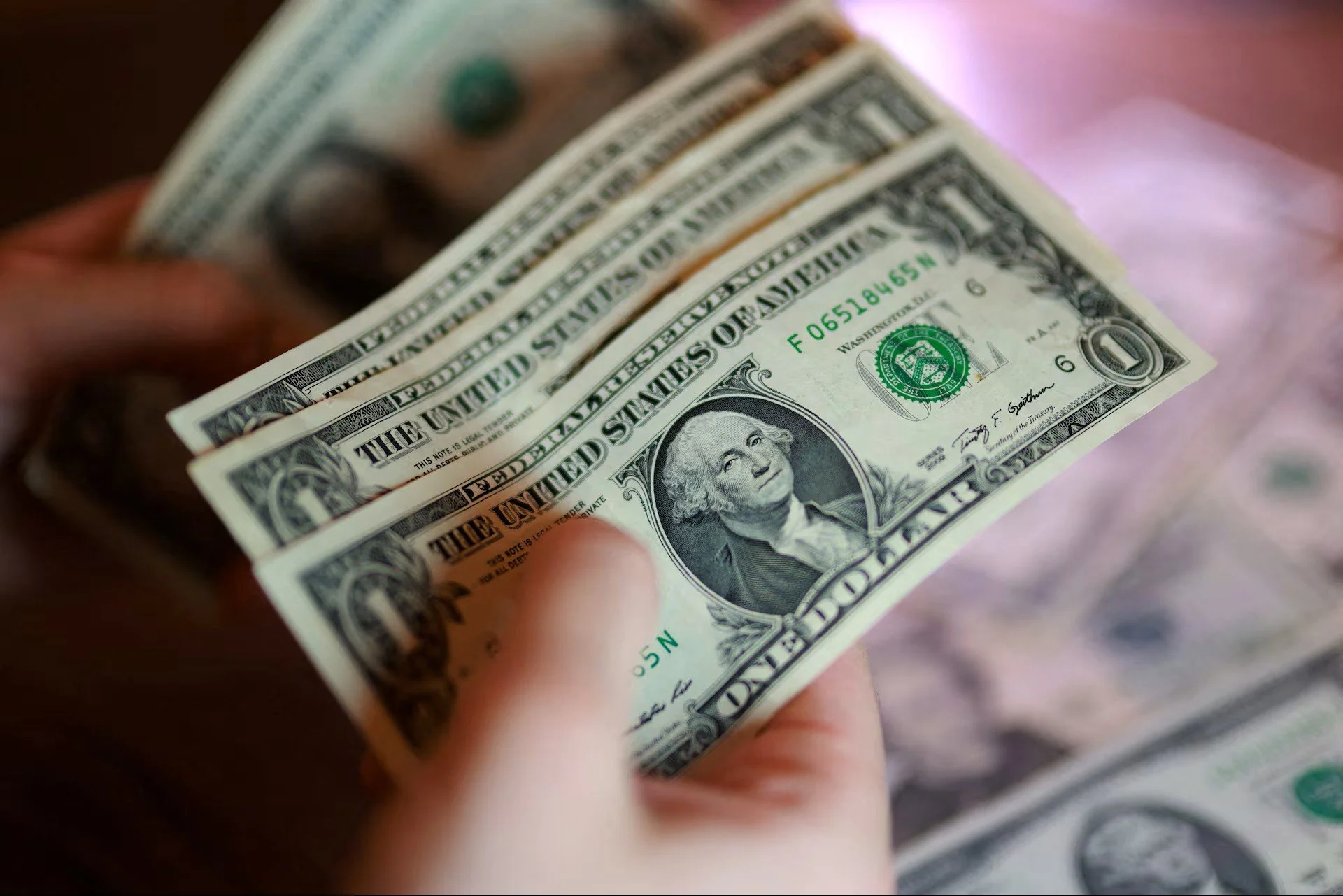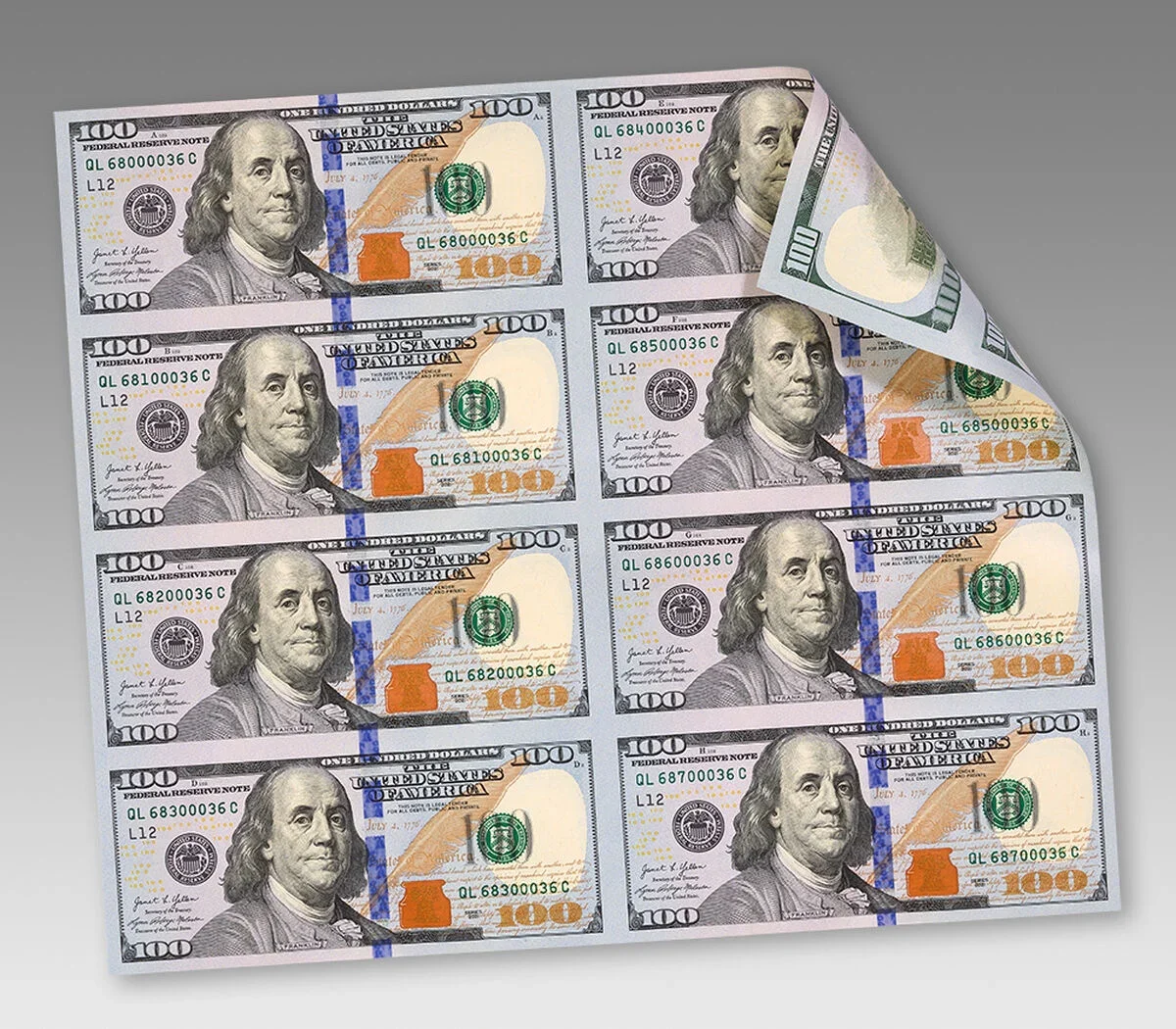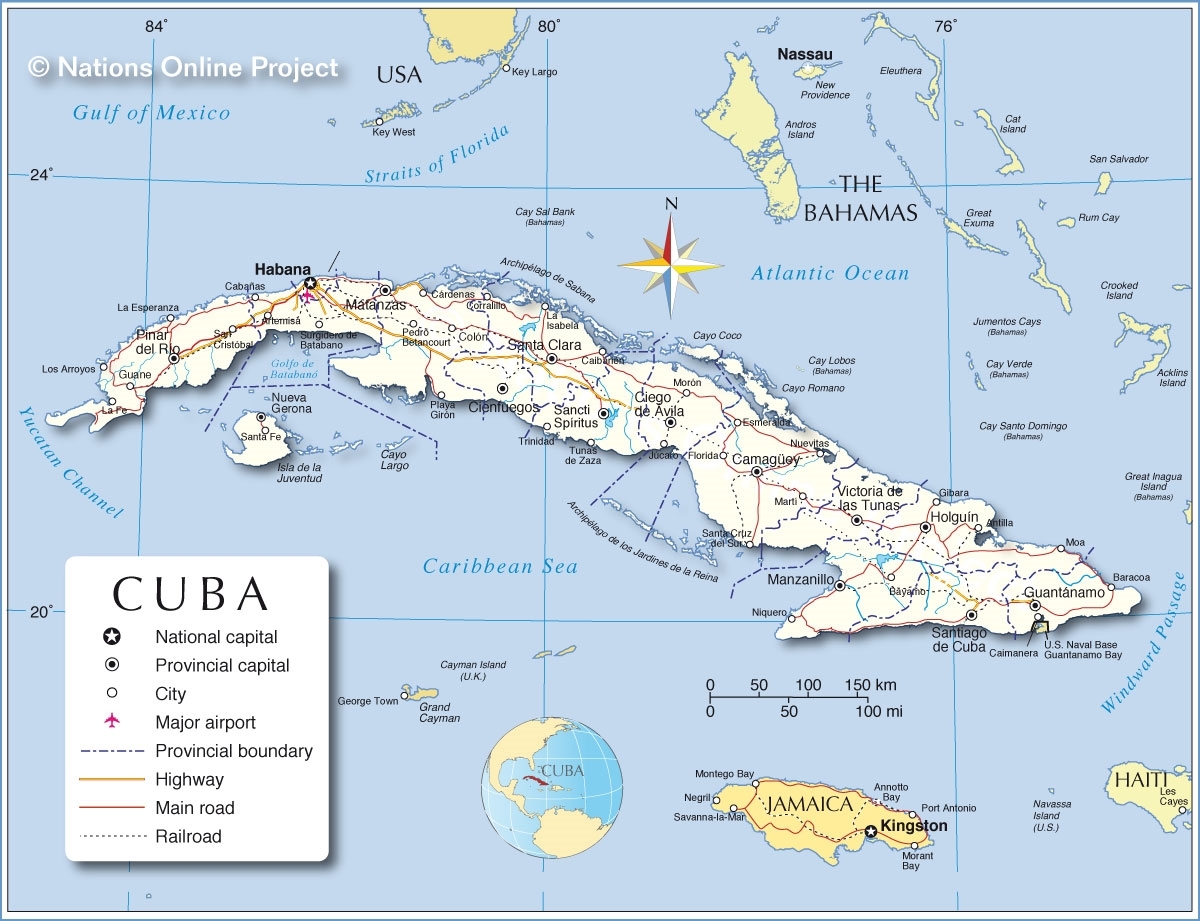

Benjamin Franklin Not Always Welcome In Cuba And Russia. Depends Upon His Appearance. Challenge Using US$100.00 Bill.
/Benjamin Franklin Not Always Welcome In Cuba And Russia
Depends Upon His Appearance
Challenge Using US$100.00 Bill
A visitor to the Russian Federation is required to use the Ruble for transactions- whether electronically through a credit card or debit card or through currency.
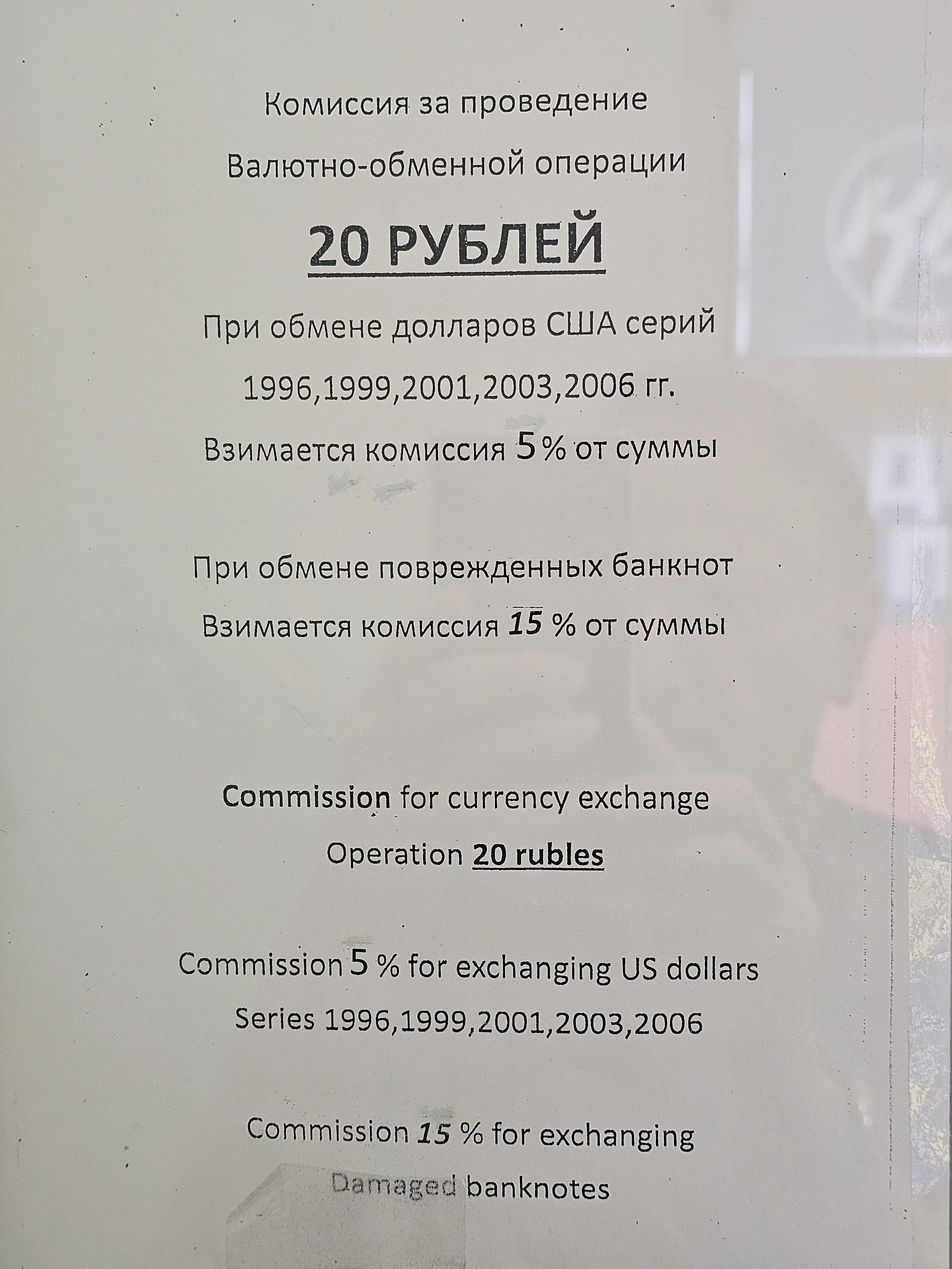
When visiting a financial institution in the Russian Federation, particularly in the capital, Moscow, and second-largest city, St. Petersburg, bank branches and currency exchange companies require that United States currency be near mint condition- no creases, no markings, no printing irregularities (faded, etc.), no tears.
Some bank branches and currency exchange companies may accept “damaged banknotes” although with an additional fifteen percent (15%) commission.
There are prohibitions on exchanging United States currency which were printed in certain years and for some years, currency is accepted with an additional five percent (5%) commission. For example, 1996, 1999, 2001, 2003, and 2006. The acceptable years change absent advance notification.
There are also prohibitions on exchanging United States currency which have certain letters next to the year. The acceptable letters change absent advance notification.
For example: “When the Bureau of Engraving and Printing makes a change to a bill—such as a new Treasurer or Secretary of the Treasury taking office, or a minor production shift—they add a letter (like A, B, etc.) to the base series year.”
For example: “A plain Series 2006 bill has the base year design and signatures, while Series 2006A means a slight change (such as new signatures) occurred while keeping the core 2006 appearance.”
For example: “On U.S. paper currency, "Series 2007 C" means the bill was printed under a design whose base year was 2007, and the C suffix indicates a minor modification—specifically, a change in one or both of the official signatures (the Treasurer of the United States and the Secretary of the Treasury) or a minor plate/production adjustment without a complete redesign.”
CiberCuba
24 September 2026
MIPYME rejects US$100.00 bill for being folded, and a Cuban denounces the situation on social media.
A Cuban identified as Camilo Velazco Montero reported on social media that a small and medium-sized enterprise refused to accept a US$100.00 bill because, as he explained, it was crumpled. In a video posted on Facebook, Velazco displayed the bill in front of the camera and questioned the decision of the private business.
"Because it's folded. It's not broken, it's not dirty, it's not fake. It's folded. The small and medium enterprises don't want to accept the money because it's folded," he stated. The man pointed out that bills often get folded when stored in wallets or pockets and considered it exaggerated that some establishments require cash in almost perfect condition. With an ironic tone, he recommended that businesses in need of "smooth" bills go directly to the Mint to obtain them freshly printed. "If you need cash, please go to the Mint and get it at the Mint," he said.
The post generated numerous reactions from users who claimed to have experienced similar situations with both private and state-run establishments. "Not only in the micro, small, and medium enterprises, but also in state-owned stores," commented a user. Another responded humorously: "You're outdated; you need to laminate it and soon you'll need to frame it."
Some users tried to explain the practice by pointing out that certain businesses seek to receive bills in good condition because they later have to use them for payments, bank deposits, or purchases abroad, where there may also be restrictions on the physical condition of cash. The rejection of banknotes due to their physical condition is not a new phenomenon in Cuba. In November 2025, while in 2026 reports emerged about businesses refusing certain denominations of Cuban pesos. In light of these situations, the Central Bank of Cuba warned that no establishment may arbitrarily decide which denominations it will accept.
The debate occurs against the backdrop of a growing dependence on cash in the Cuban economy. The U.S. dollar recently hit record values in the informal market, while difficulties with electronic payments have kept physical money as a crucial tool for many transactions. In mid-September, the Cuban government approved new regulations that allow micro, small, and medium-sized enterprises (mipymes) and other private actors to receive cash in foreign currency and deposit it into bank accounts in foreign currency, a measure that has increased the significance of handling dollars within everyday economics.