
The New York Times: "As Trump Toughens Rules on Cuba’s Economy, Hotel Chains Pull Out"
/The New York Times
New York, New York
4 June 2026
As Trump Toughens Rules on Cuba’s Economy, Hotel Chains Pull Out
The Trump administration’s efforts to tighten the economic noose on Cuba appear to be working, as more international firms announced they would leave the island.
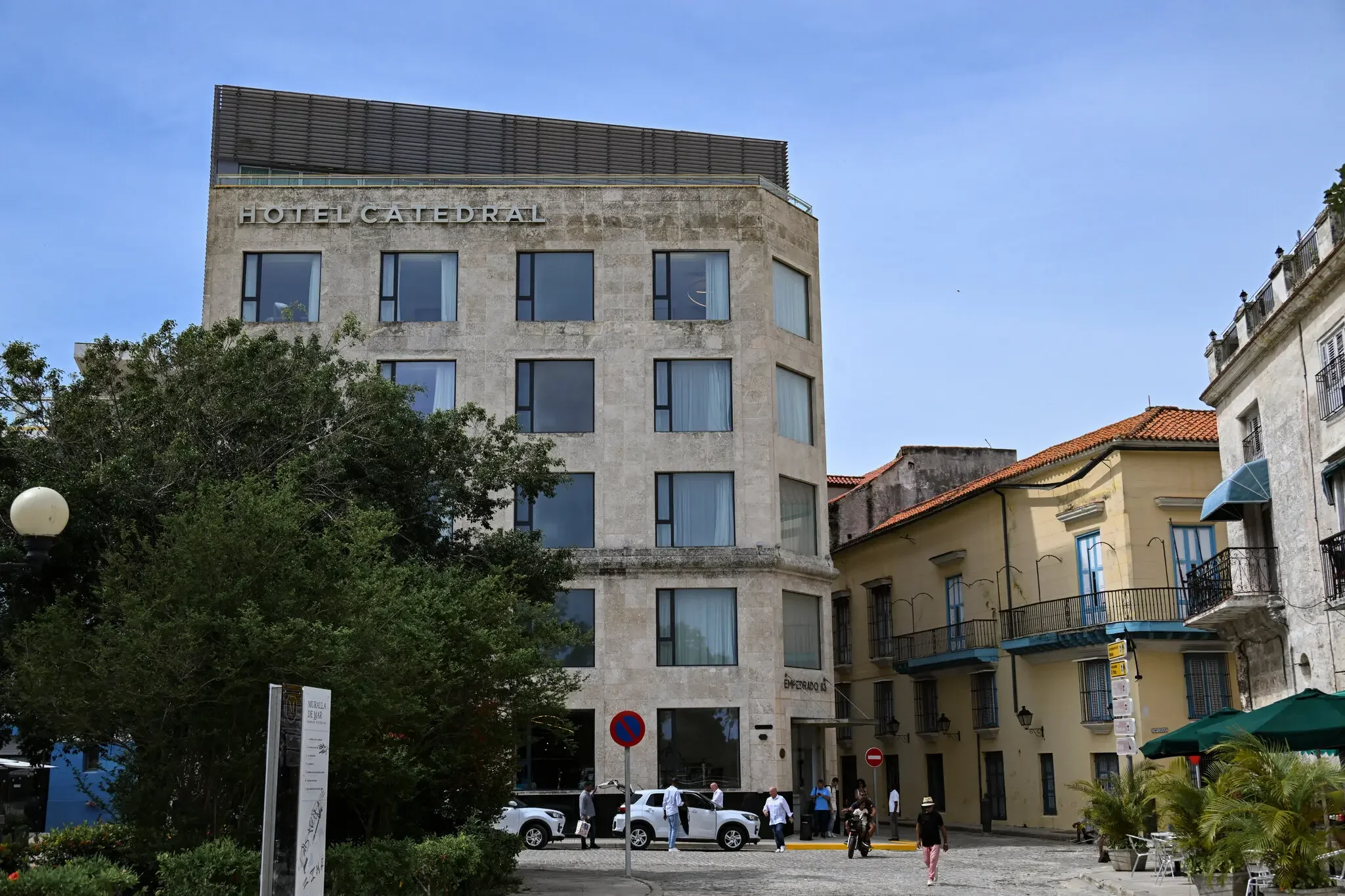
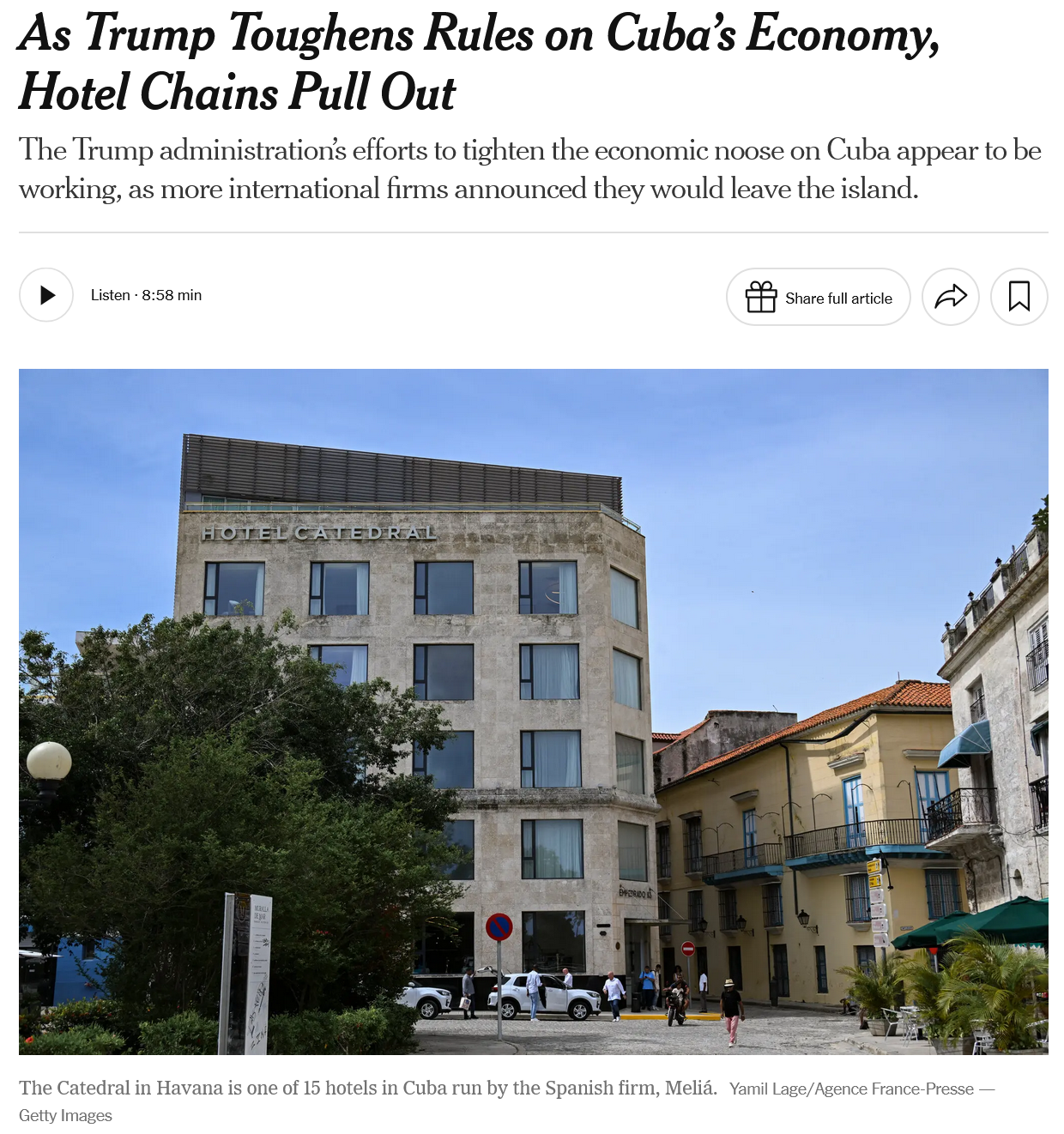
The Catedral in Havana is one of 15 hotels in Cuba run by the Spanish firm, Meliá.Credit...Yamil Lage/Agence France-Presse — Getty Images
By Frances Robles
Reporting from Florida
The Trump administration’s campaign to force Cuba’s economic unraveling achieved key gains this week, when three international hotel chains and a bank that processes Visa and Mastercard transactions withdrew business from the communist nation to avoid violating new U.S. regulations.
Foreign businesses have until Friday to pull out of any venture in Cuba run by the Cuban military conglomerate that controls about half the nation’s economy. On Thursday, the U.S. government announced that it was imposing sanctions on another swath of Cuban officials and entities, including the armed forces.
Business leaders whose companies stay in Cuba risk losing their visa to travel to the United States and having their assets frozen. The companies themselves could also face sanctions, such as losing access to American banks.
The increasing exodus of businesses from Cuba will lead to increased unemployment and fewer financial resources for Cuba’s government, aggravating an increasingly untenable economic crisis.
While the United States has long prohibited most American companies from trading with Cuba, these new regulations, called “secondary sanctions,” are a major escalation, because they target foreign companies and financial institutions.
Cuba’s Central Bank announced Wednesday that a bank that processes Visa and Mastercard transactions had withdrawn to comply with a recent executive order from the White House that threatened sanctions against foreign companies doing business in Cuba.
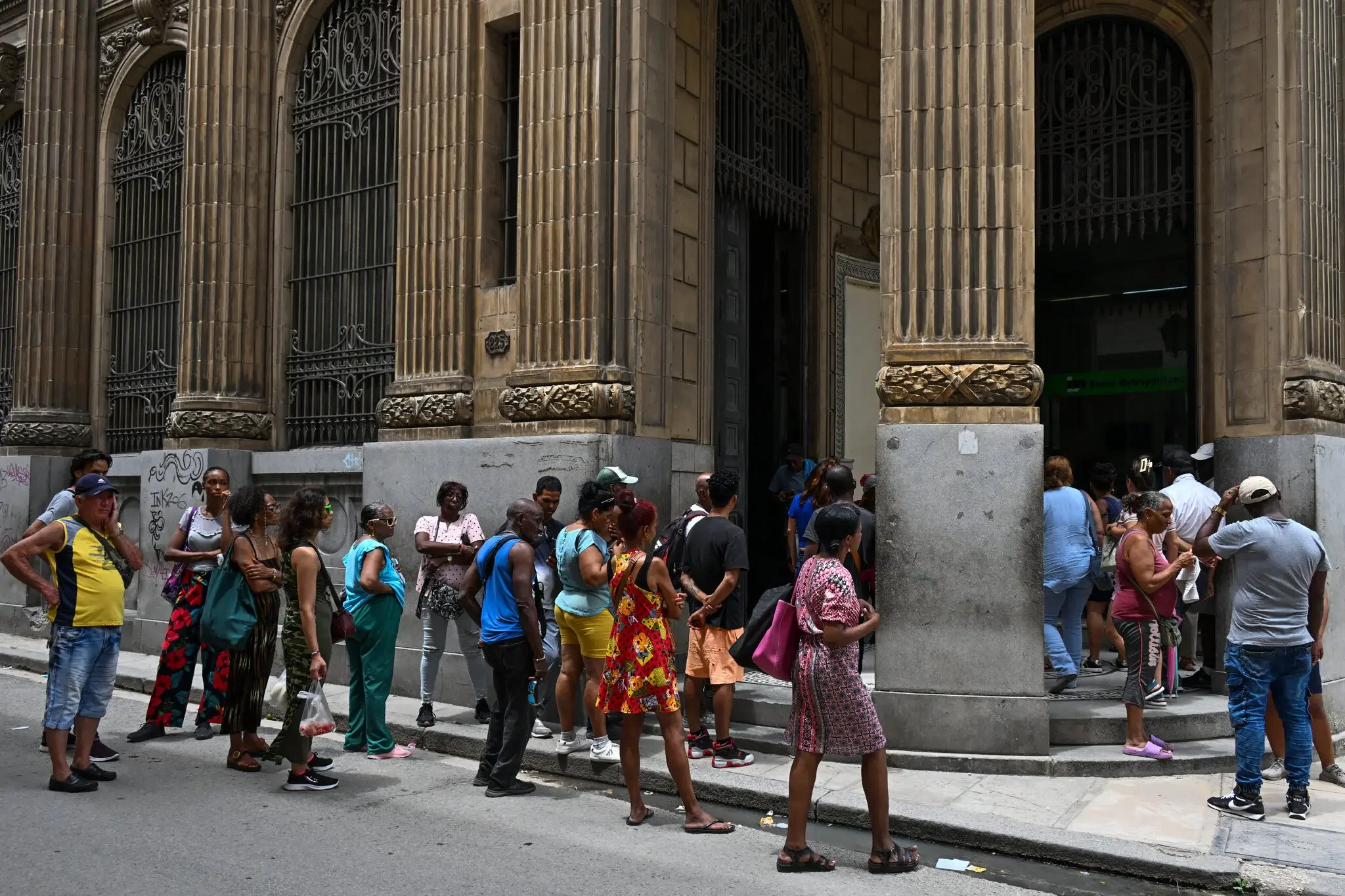
People lining up outside a bank in Havana on Wednesday.Credit...Yamil Lage/Agence France-Presse — Getty Images
The Cuban government, which did not name the bank, called the decision part of President Trump’s “strategy to strangle the Cuban people.”
The Spanish hotel operator Iberostar said it would end its partnership to run 12 hotels for Gaviota, Cuba’s tourism company, which is part of the Business Administration Group, a military conglomerate known by its Spanish acronym, GAESA.
Another Spanish firm, Meliá, said it would withdraw from its partnership running 15 Cuban hotels. Blue Diamond, a Canadian company that ran dozens of hotels in Cuba, also announced that it was pulling out.
Citing an announcement from the company, news reports said the Indonesian chain Archipelago International had also closed shop. The website for the company’s Aston Hotels in Cuba showed they were “no longer available for accommodation.”
The proposed U.S. sanctions are part of a series of stringent measures by the Trump administration designed to cripple Cuba’s economy and force economic and political change.
Mr. Trump on Thursday told reporters in Washington that Cuba had “sort of collapsed.” Repeating a statement he had made in the past, he said he would “handle” Cuba as soon as his administration moves on from the conflict with Iran. “As soon as that’s done, on our way back, we’ll just make a little brief stop,” the president said without providing specific details.
Mr. Trump’s tightening vise on Cuba, including an effective oil blockade, is worsening a humanitarian crisis, leaving millions of people enduring extended power outages and struggling to find food and gasoline.
The U.S. State Department said on Thursday that it was adding five more Cuban officials and five entities to a list of sanctioned people and companies, including President Miguel Díaz-Canel and his family.
Vast neighborhood groups organized by the government, called the Committees for the Defense of the Revolution and known for spying on local residents, were also targeted, as was Cuba’s gold mining venture.
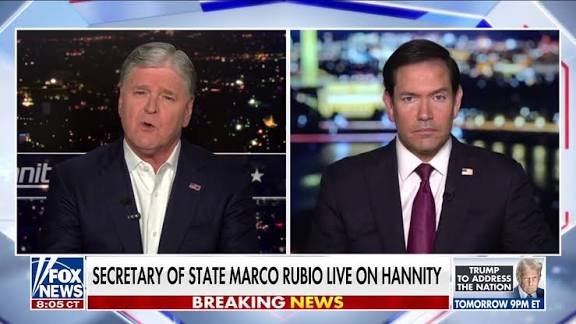
“The entities and individuals designated today direct or fund the regime and its efforts to mobilize its radical revolutionary movements in the United States and around the world,” Secretary of State Marco Rubio said in a statement.
Two major shipping companies, one German and the other French, had already announced plans to cease operations in Cuba.
The United Nations’ World Food Program was forced to put off plans to purchase nearly 3,000 tons of food for Cuba “because we cannot find a shipping solution to bring it to Cuba,” said Etienne Labande, the agency’s Cuba country director. The World Food Program, which was helping supply provisions for Cuba’s subsided food rations, is also trying to find other ways to pay for fuel it used to buy from private companies, because it can no longer pay with Visa or Mastercard, he said.
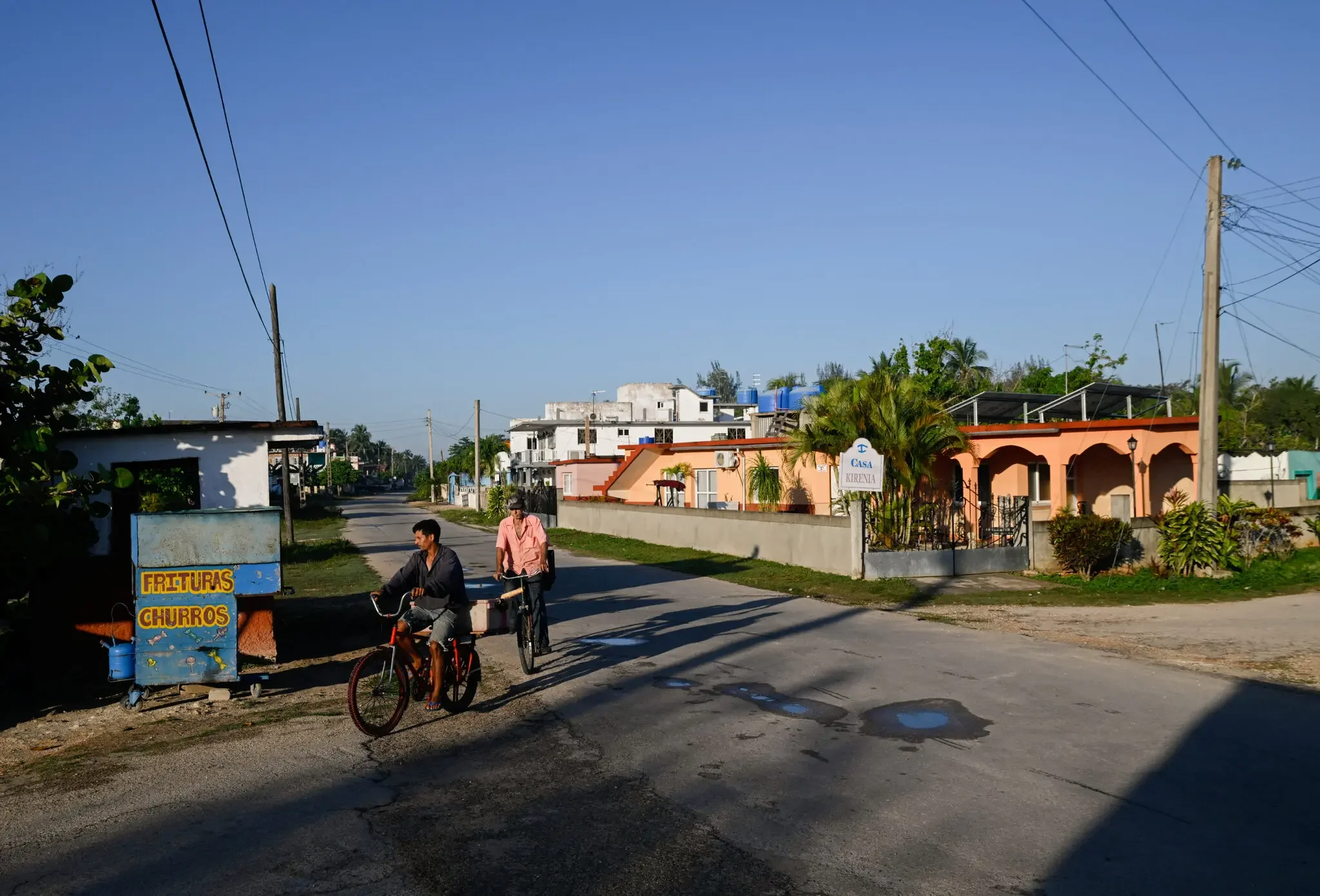
San Lazaro Avenue in Havana during a blackout last month.Credit...Norlys Perez/Reuters
The Trump administration’s sanctions against foreign companies, announced in May, largely targeted GAESA, the military conglomerate that operates everything from retail businesses to the tourism industry.
GAESA was born out of Cuba’s economic crisis in the 1990s following the collapse of the Soviet Union, which had been the island nation’s main benefactor.
The U.S. State Department, relying on media reports suggesting GAESA was sitting on enormous piles of cash even as the nation suffers, said the moves would deprive Cuba’s military “access to illicit assets.”
The Cuban government did not respond to a request for comment, but released a scathing statement denouncing the Trump administration.
The U.S. government, the statement said, had “once again acted with premeditated intent in its eagerness to manufacture pretexts to discredit the Cuban Revolution, its historic leadership, its current leaders, and, in doing so, confuse both our people and international public opinion.”
Mr. Díaz-Canel said on social media that GAESA was not “a path to enrichment for a few.’’
“On the contrary, it is one of the many examples that, along our path, has allowed us to resist the permanent aggression of the United States government.”
Seth Eisen, a spokesman for Mastercard, said the decision to withdraw had not been made by Mastercard.
The bank that had managed the company’s transactions decided to limit operations in Cuba, and without the foreign financial partner, Mastercards will not work to make purchases in Cuba, he said.
Visa, Iberostar and Blue Diamond did not respond to a request for comment. Meliá, in a statement, said its decision to leave Cuba “was made out of a deep sense of corporate responsibility,” but that the impact of its decision was limited because most of its hotels were already closed.
Cuba’s tourism sector has largely collapsed. In January, the Trump administration blocked fuel deliveries to Cuba, which limited the availability of jet fuel and led several airlines to cancel service.
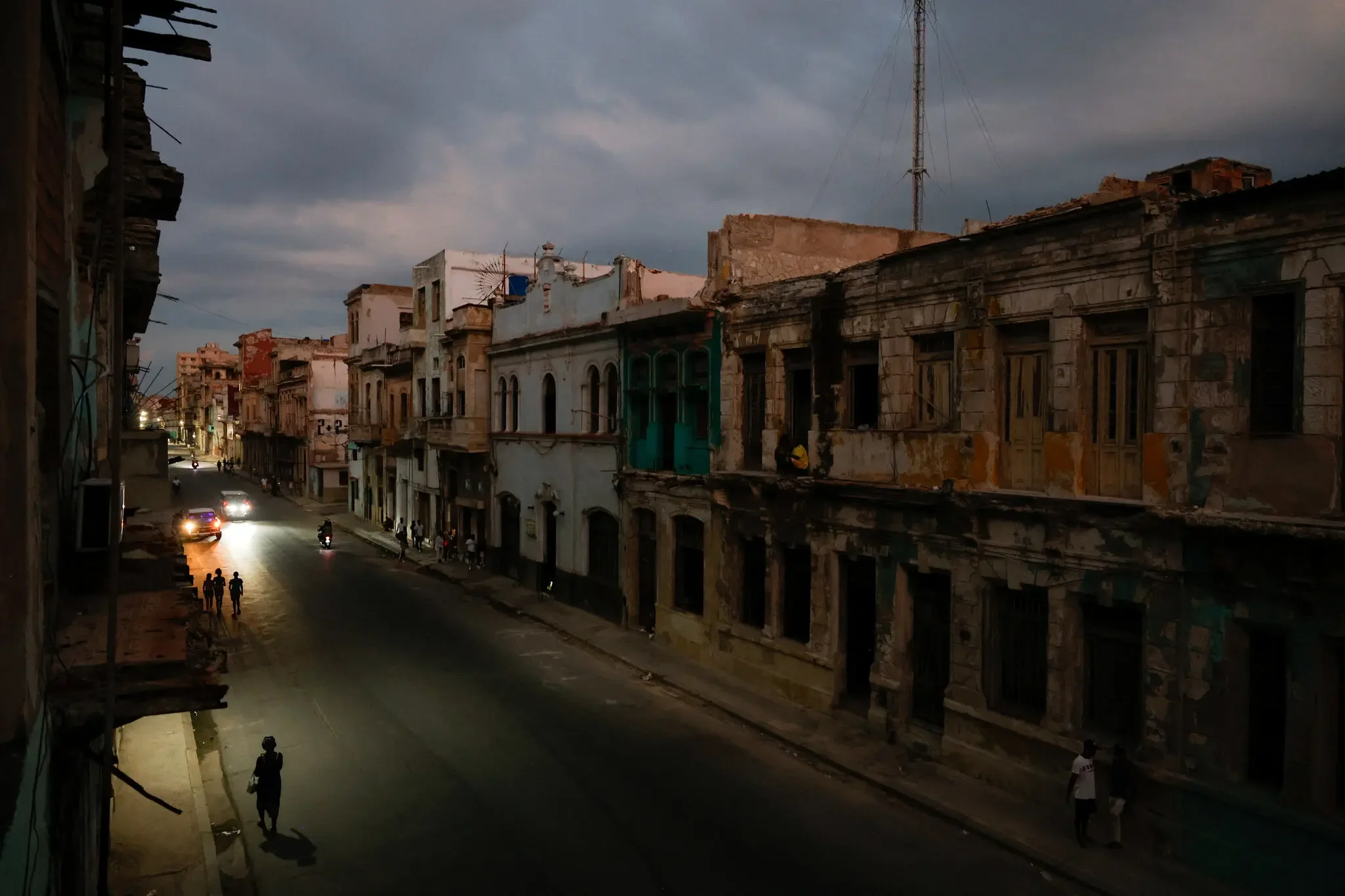
A nearly empty street in Playa Larga, Cienaga de Zapata, Cuba, in April. Tourism in Cuba has largely come to a halt.Credit...Norlys Perez/Reuters
“The reach of these sanctions was much wider and stronger, especially among the hotel chains,” said Paolo Spadoni, a political economist at Augusta University in Georgia who studies Cuba’s tourism industry.
He noted that not all of Cuba’s hotels are run by the military conglomerate, and the Spanish hotel companies were continuing to operate hotels run by Cuban entities not tied to GAESA and not targeted with sanctions.
John S. Kavulich, president of the U.S.-Cuba Trade and Economic Council, said the latest measures could lead the Cuban military conglomerate to dismantle its operations to comply with the new rules.
“In the last 30 days, there has been more commercial, economic and financial destruction in Cuba than in any period since 1959,” Mr. Kavulich said, referring to the year of the Cuban revolution that eventually ushered in Communist rule.
The U.S. administration, he said, “achieved so much without firing a shot or one boot on the ground.”
The State Department acknowledged that the withdrawal of the hotel firms was precisely what the measures were intended to accomplish.
“Our sanctions are deliberately targeted to prevent the Cuban military and security services from profiting off international investment in Cuba to fund their continued oppression of the Cuban people and threat to U.S. national security,” the State Department said in a statement provided to The New York Times.
“Companies choosing to exit the Cuban market are making a prudent decision to comply with U.S. law and avoid enriching a regime that routinely violates fundamental human rights.”